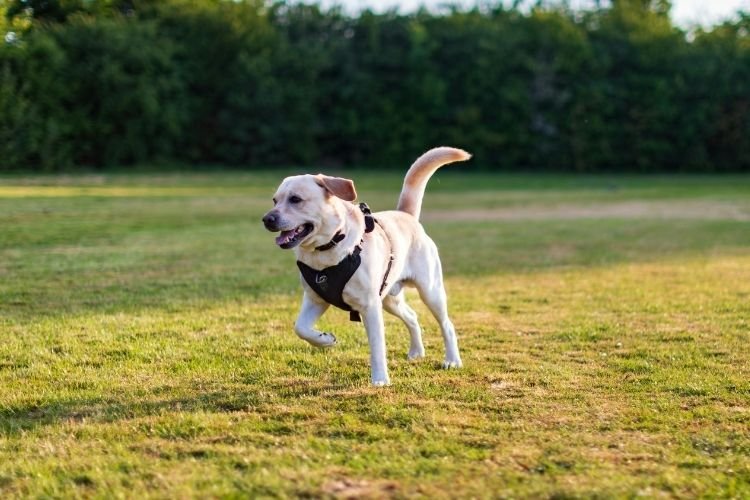
Labrador Retrievers are one of the most loved dog breeds in the world — and for good reason. They’re friendly, intelligent, playful, affectionate, and wonderful family companions.
But many pet parents are surprised when their adorable Lab puppy suddenly becomes:
- hyperactive
- destructive
- difficult to control on walks
- constantly jumping on people
- stubborn during commands
The truth is:
Table of Contents
ToggleLabrador Retrievers need structured training early.
Without proper guidance, Labs can develop behavioral habits that become difficult to manage as they grow bigger and stronger.
In this blog, we’ll explain:
- why early Labrador Retriever training matters
- common Lab puppy behavior issues
- how obedience training for Labs helps
- training mistakes pet parents should avoid
- when to start training your Labrador puppy
Why Labrador Retrievers Are So Energetic
Labradors were originally bred as working and retrieving dogs. They naturally have:
- high energy levels
- strong excitement responses
- playful behavior
- intelligence and curiosity
- strong food motivation
While these traits make Labs lovable, they also mean:
untrained Labs can become overwhelming indoors.
Many behavior issues happen not because Labs are “bad dogs,” but because they lack structure and mental stimulation.
Common Labrador Puppy Behavior Problems
Without proper lab puppy training, many owners struggle with:
1. Jumping on People
Labs are naturally social and excited. Puppies often jump to greet people, but this behavior becomes difficult to control as they grow larger.
2. Pulling on the Leash
Labradors are strong dogs. Early leash training is important before pulling habits become permanent.
3. Excessive Chewing
Lab puppies love chewing:
- furniture
- shoes
- cushions
- household items
This behavior increases during teething and boredom.
4. Hyperactivity Indoors
A mentally unstimulated Labrador can become:
- restless
- destructive
- overly excited
- difficult to calm down
5. Poor Recall
Labs are curious and food-driven, which can make outdoor distractions difficult without proper obedience training.
Why Early Labrador Retriever Training Matters
The earlier training begins, the easier behavior shaping becomes.
Puppies learn habits quickly during their early developmental months. Structured training helps Labs understand:
- boundaries
- routines
- calm behavior
- commands
- social skills
Professional Labrador Retriever training focuses on creating:
- obedience
- impulse control
- confidence
- better communication between dog and owner
Best Age to Start Lab Puppy Training
Most puppies can begin basic training and socialization at:
8–10 weeks old
Early training does not mean harsh discipline.
It means teaching:
- name recognition
- potty routines
- leash behavior
- bite inhibition
- calm social interaction
- basic obedience
Starting early prevents long-term behavioral issues later.
What Does Obedience Training for Labs Include?
Professional obedience training for Labs usually covers:
Basic Commands
- Sit
- Stay
- Down
- Come
- Leave it
- Heel
These commands help improve safety and control in daily life.
Leash Training
Labradors are powerful dogs as adults. Early leash manners prevent pulling problems later.
Socialization Training
Labs are naturally friendly, but controlled socialization helps prevent:
- overexcitement
- fear responses
- jumping behavior
- uncontrolled greetings
Impulse Control
Structured training teaches Labradors how to:
- stay calm
- wait patiently
- focus during distractions
This is especially important for energetic breeds like Labs.
Biggest Mistakes Labrador Owners Make
Waiting Too Long to Train
Many owners assume:
“He’s still a puppy, training can wait.”
But behavior habits develop very quickly during puppyhood.
Depending Only on Physical Exercise
Walking alone is not enough for Labradors.
Labs also need:
- mental stimulation
- obedience exercises
- structured routines
- training games
Inconsistent Rules
If one family member allows jumping while another corrects it, puppies become confused.
Consistency is key.
Encouraging Overexcitement
Many owners unknowingly reward hyper behavior with:
- loud greetings
- rough play
- excessive excitement
Calm behavior should be rewarded instead.
How Structured Training Improves Labrador Behavior
Well-trained Labradors are:
- calmer indoors
- easier to walk
- more confident
- safer around children and guests
- better at social interaction
- easier to manage in public places
Training also strengthens the bond between dog and owner.
Why Labradors Need Mental Stimulation
Labs are intelligent working dogs.
Without mental stimulation, they may create their own entertainment through:
- barking
- chewing
- digging
- destructive behavior
Good mental activities include:
- obedience sessions
- scent games
- puzzle toys
- retrieval exercises
- training drills
A mentally tired Labrador is usually a calmer Labrador.
Finding the Right Dog Trainer for Labrador Puppies
Not all training methods work well for Labradors.
A professional dog trainer for Labrador puppies should focus on:
- positive reinforcement
- structured obedience
- calm behavior shaping
- breed-specific understanding
- owner education
Harsh punishment-based training can increase stress and confusion in sensitive dogs.
Labrador Training Support from PawSpace
At PawSpace, we provide personalized Labrador Retriever training programs designed for modern pet parents and family homes.
Our training includes:
- lab puppy training
- obedience training for Labs
- leash training
- socialization
- behavior correction
- puppy foundation training
We use positive reinforcement methods that help Labradors learn confidently while building long-term good behavior.
Final Thoughts
Labrador Retrievers are loving, intelligent, and loyal companions — but they thrive best with early structure and guidance.
Without training, even friendly Labs can become:
- overly hyper
- difficult to control
- destructive indoors
Starting structured Labrador Retriever training early helps create:
- calmer behavior
- better obedience
- improved confidence
- stronger owner-dog communication
The earlier you begin, the easier and more enjoyable life becomes for both you and your Labrador.
Contact PawSpace for Labrador Training
Need help training your Labrador puppy?
📞 Phone & WhatsApp: 9996999505
📧 Email: connect@pawspace.in
Connect with PawSpace today for professional Labrador puppy training and obedience support.