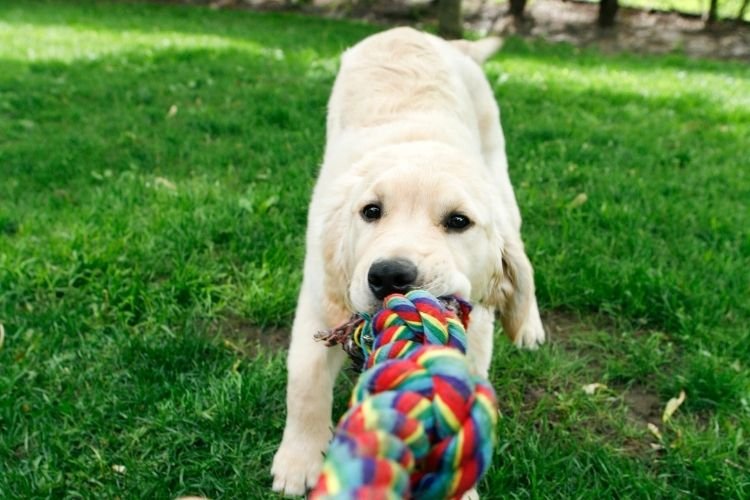
Bringing home a puppy is exciting, joyful, and full of cuddles — until the biting starts. From chewing slippers to nipping hands during playtime, puppy biting is one of the most common concerns new pet parents face.
The good news?
In most cases, puppy biting is completely normal and manageable with the right guidance, consistency, and training.
Understanding puppy teething behavior can help you respond calmly and train your puppy in a healthy, positive way instead of getting frustrated or overwhelmed.
In this blog, we’ll explain:
- Why puppies bite during teething
- What is normal vs concerning behavior
- How puppy biting training works
- Effective ways to stop aggressive chewing and nipping
- When to seek professional dog behavior training
Table of Contents
ToggleWhy Do Puppies Bite So Much?
Puppies explore the world with their mouths — just like human babies use their hands.
Between the age of 3 weeks to 6 months, puppies go through a teething phase where their baby teeth fall out and adult teeth begin to grow. During this stage, chewing and biting help relieve discomfort in their gums.
Common reasons for puppy biting include:
1. Teething Pain
Growing teeth can cause irritation and soreness. Puppies bite objects, furniture, and even people to soothe their gums.
2. Play Behavior
Puppies naturally bite during play with their littermates. When they come into a new home, they continue the same behavior with humans.
3. Attention Seeking
Sometimes puppies learn that biting gets a reaction — even if it’s negative attention.
4. Overstimulation
Excited or overtired puppies may start nipping more frequently, especially during zoomies or rough play.
Is Puppy Biting Normal?
Yes — mild biting and chewing are completely normal during puppyhood.
However, there’s a difference between:
- normal puppy teething behavior
and - unhealthy aggressive behavior
Normal Puppy Biting:
- Gentle nipping during play
- Chewing toys, shoes, furniture
- Increased biting during teething phase
- Easily redirected with toys or commands
Signs You May Need Dog Behavior Training:
- Growling aggressively while biting
- Guarding toys or food
- Biting hard enough to injure
- Constant uncontrollable biting
- Ignoring corrections completely
- Fear-based aggression
If your puppy’s behavior feels excessive or stressful, early professional guidance can prevent long-term behavior issues.
How Puppy Biting Training Helps
Many pet parents unknowingly encourage biting by:
- using hands as toys
- rough play
- inconsistent corrections
- yelling or punishment
Professional puppy biting training focuses on teaching puppies:
- bite inhibition
- impulse control
- calm behavior
- obedience
- proper socialization
At PawSpace, our trainers use positive reinforcement methods that help puppies learn safely without fear or harsh punishment.
Effective Ways to Reduce Puppy Biting
Here are some practical training techniques that work:
Redirect to Toys
Whenever your puppy bites hands or furniture, redirect them to a chew toy immediately.
This teaches:
“Toys are okay to bite. Humans are not.”
Avoid Hand Wrestling Games
Using hands during rough play confuses puppies and encourages biting behavior.
Teach Basic Commands Early
Commands like:
- Sit
- Leave it
- Drop
- Stay
help create better impulse control from an early age.
Reward Calm Behavior
Praise and reward your puppy when they:
- play gently
- stop biting
- respond calmly
Positive reinforcement speeds up learning.
Ensure Proper Exercise
A bored puppy often becomes a destructive puppy.
Mental stimulation and physical exercise reduce frustration-driven biting.
Best Chew Toys for Teething Puppies
Safe chew toys can significantly reduce destructive behavior.
Good options include:
- Rubber chew toys
- Frozen teething toys
- Puppy-safe dental chews
- Rope toys
- Interactive treat toys
Avoid extremely hard objects that may damage developing teeth.
When Should You Start Puppy Training?
The best time to start training is early.
Puppies can begin basic obedience and socialization training as early as:
8–10 weeks old
Early training helps prevent:
- excessive biting
- separation anxiety
- leash pulling
- aggression
- stubborn behavior later in life
The earlier a puppy learns structure and communication, the easier adulthood becomes.
Why Early Dog Behavior Training Matters
Many adult dog behavior issues actually begin during puppyhood.
Without proper guidance, simple teething habits can turn into:
- resource guarding
- anxiety
- destructive chewing
- aggressive responses
- poor social behavior
Professional dog behavior training helps build:
- confidence
- discipline
- calmness
- healthy social habits
Puppy Training Support from PawSpace
At PawSpace, we help pet parents build healthy relationships with their dogs through personalized puppy and dog training programs.
Our training focuses on:
- puppy biting training
- obedience training
- socialization
- leash training
- behavior correction
- positive reinforcement methods
Whether your puppy is gently teething or showing difficult behavior patterns, our expert trainers can help guide the process step by step.
Final Thoughts
Puppy biting during teething is frustrating — but it’s also a completely natural part of growing up.
The key is not punishment, but guidance, consistency, and proper training.
With early intervention and the right support, puppies quickly learn:
- what’s acceptable
- how to play gently
- how to communicate calmly
The sooner training begins, the easier life becomes for both you and your dog.
Contact PawSpace for Puppy Training
Need help with puppy biting or behavioral training?
📞 Phone & WhatsApp: 9996999505
📧 Email: connect@pawspace.in
Connect with PawSpace today and help your puppy grow into a happy, well-behaved companion.