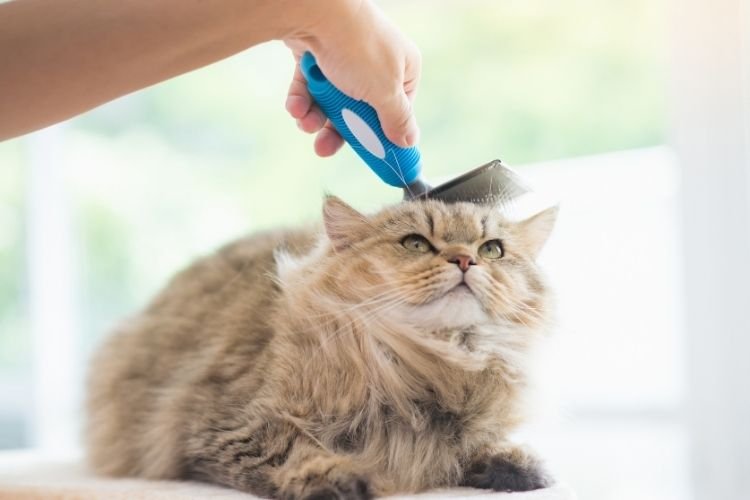
Long-haired cats are beautiful, elegant, and incredibly lovable. Breeds like Persian cats, Maine Coons, Himalayan cats, and Ragdolls are known for their soft, fluffy coats that make them stand out instantly.
But behind that beautiful fur comes one major responsibility:
Table of Contents
ToggleRegular Grooming.
Many cat owners underestimate how much maintenance long-haired cats actually need until they begin facing problems like:
- severe matting
- shedding everywhere
- hairballs
- skin irritation
- hygiene issues
- stress during brushing sessions
Proper long hair cat grooming is not just about appearance — it plays a major role in your cat’s comfort, hygiene, and overall health.
In this blog, we’ll explain:
- common grooming challenges in long-haired cats
- why matting happens
- grooming mistakes owners make
- when professional cat grooming services become necessary
- how to keep your cat’s coat healthy and comfortable
Why Long-Haired Cats Need More Grooming
Unlike short-haired cats, long-haired breeds have dense fur that tangles more easily.
Their coat can trap:
- loose hair
- dust
- litter particles
- moisture
- oil buildup
Without regular grooming, the fur begins forming knots and mats that become painful over time.
Some long-haired cats also struggle to clean themselves properly, especially around:
- the stomach area
- tail
- underarms
- back legs
This is why consistent grooming is essential.
Common Grooming Challenges in Long-Haired Cats
1. Matting & Knotted Fur
Matting is one of the biggest problems in long-haired cats.
Mats form when loose fur becomes tangled and tightly packed against the skin.
Common matting areas include:
- behind the ears
- under the legs
- chest area
- tail
- belly
Severe mats can:
- pull the skin painfully
- trap moisture and bacteria
- restrict movement
- cause skin infections
Professional cat matting removal is often needed once mats become tight or widespread.
2. Excessive Shedding
Long-haired cats naturally shed more fur, especially during seasonal changes.
Without brushing, loose fur spreads around the house and increases the risk of:
- hairballs
- coat tangles
- fur ingestion
3. Hairballs
Cats groom themselves by licking their fur. Long-haired cats swallow larger amounts of loose hair, increasing hairball formation.
Frequent hairballs may lead to:
- vomiting
- digestive discomfort
- appetite issues
Regular grooming reduces excess loose fur significantly.
4. Hygiene Problems
Long fur around the back area may trap:
- litter
- urine
- dirt
This can create hygiene and odor issues if not cleaned regularly.
5. Grooming Resistance
Some cats become stressed during brushing if grooming is introduced too late or handled roughly.
This makes home grooming difficult for many owners.
Persian Cat Grooming: Why It Requires Extra Care
Persian cats are one of the most grooming-intensive cat breeds.
Their thick double coat requires:
- daily brushing
- regular de-matting
- hygiene trimming
- eye cleaning
- coat maintenance
Without proper Persian cat grooming, mats can form very quickly.
Persians are also prone to:
- tear staining
- coat oil buildup
- skin sensitivity
Professional grooming support often becomes necessary to maintain their coat safely.
Signs Your Cat Needs Professional Grooming
You should consider professional cat grooming services if you notice:
- visible mats or tangles
- strong odor
- greasy fur
- excessive shedding
- hairballs increasing
- difficulty brushing at home
- litter sticking to fur
- skin irritation under the coat
Early grooming prevents more serious skin and hygiene issues later.
How Often Should Long-Haired Cats Be Groomed?
Most long-haired cats benefit from:
- brushing several times a week
- regular hygiene trimming
- periodic professional grooming
The exact frequency depends on:
- coat thickness
- breed
- age
- activity level
- shedding pattern
Persian cats usually require the highest grooming maintenance.
Tips for Maintaining a Healthy Long-Haired Coat
1. Brush Regularly
Frequent brushing prevents:
- tangles
- loose fur buildup
- mat formation
Gentle grooming sessions also help cats become more comfortable with handling.
2. Start Grooming Early
Kittens introduced to grooming early are usually calmer and more cooperative as adults.
3. Check Hidden Areas
Mats often form in areas owners don’t notice immediately, especially:
- underarms
- belly
- behind ears
Regular inspection helps catch tangles early.
4. Use Cat-Safe Grooming Tools
Using the wrong brushes may irritate the skin or damage the coat.
Professional groomers use tools designed specifically for long-haired cats.
5. Don’t Cut Mats with Scissors at Home
Many owners accidentally injure cats while trying to remove mats themselves.
Professional cat matting removal is safer for severe tangles.
Benefits of Professional Cat Grooming Services
Professional grooming helps:
- reduce matting
- maintain coat hygiene
- prevent skin issues
- reduce shedding
- improve comfort
- keep long coats manageable
Experienced groomers also know how to handle nervous or grooming-sensitive cats calmly.
Long Hair Cat Grooming at PawSpace
At PawSpace, we provide safe and stress-conscious grooming services for long-haired cats and grooming-sensitive breeds.
Our grooming support includes:
- Persian cat grooming
- long hair cat grooming
- cat matting removal
- hygiene trimming
- coat maintenance
- de-shedding care
We focus on gentle handling and pet-friendly grooming techniques to keep cats comfortable throughout the process.
Booking a groomer for your cat for the first time? Read cat grooming at home: what to expect.
Final Thoughts
Long-haired cats are beautiful companions, but their coats require consistent care and attention.
Without regular grooming, small tangles can quickly become painful matting and hygiene problems.
Proper grooming is not just about appearance — it protects your cat’s:
- comfort
- skin health
- cleanliness
- overall well-being
With regular maintenance and professional support when needed, long-haired cats can stay healthy, comfortable, and stress-free year-round.
Contact PawSpace for Cat Grooming Services
Looking for professional grooming support for your cat?
📞 Phone & WhatsApp: 9996999505
📧 Email: connect@pawspace.in
Connect with PawSpace today for expert long-haired cat grooming and matting removal services.