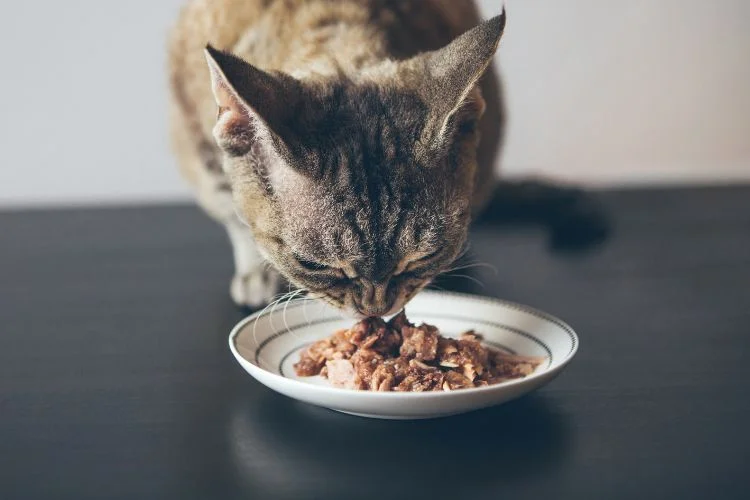
Choosing the best cat food in India can feel confusing because every pack claims to be healthy, premium or complete. Some pet parents prefer dry food for convenience, some prefer wet food for hydration, and many Indian families want to mix commercial food with home-cooked meals. The right answer depends on age, health, weight, activity, budget and your vet guidance.
Cats are obligate carnivores, which means they need animal-based protein and specific nutrients such as taurine. Unlike dogs, they cannot thrive on a casual vegetarian or rice-heavy diet. A good cat food plan should support hydration, muscle health, urinary health, coat condition and digestion.
Table of Contents
ToggleWet food vs dry food
Wet food has higher moisture, which is useful because many cats naturally drink less water. It can support urinary health and is often more appealing for picky cats. Dry food is convenient, easier to store and can be budget-friendly, but it should not be the only source of hydration.
A practical Indian routine can include measured dry food and at least one wet meal depending on budget and vet advice. Keep fresh water available in multiple places. Many cats drink better from wide bowls or fountains because they dislike whiskers touching the bowl edge.
What to look for in cat food
Look for a complete and balanced claim, named animal protein, taurine, age suitability and clear feeding guidelines. Kittens need kitten-specific food because they require more energy and nutrients for growth. Senior cats may need easier digestion and vet-directed diets if they have kidney, urinary or weight concerns.
Be careful with foods that are mostly fillers, vague meat derivatives or high in unnecessary flavouring. Treats should remain treats, not meals. Milk is also not necessary for most adult cats and can cause loose stools in lactose-sensitive cats.
Can cats eat homemade food?
Home-cooked food can be part of a cat diet only when balanced properly. Plain boiled chicken or fish may be used as an occasional topper, but it is not a complete diet by itself. Cats need calcium, taurine, essential fatty acids, vitamins and minerals in the right ratio.
Never feed onion, garlic, chocolate, alcohol, grapes, raisins, cooked bones or spicy leftovers. Indian cooking often includes onion, garlic, salt, masala and oil, which are not suitable for cats.
Feeding by life stage
Kittens need frequent small meals and kitten food. Adult cats need portion control because indoor cats can gain weight quickly. Senior cats should have vet checks, especially if there is weight loss, increased thirst, vomiting, reduced appetite or litter box changes.
If your cat is going for boarding or pet sitting, share the exact food routine, brand, quantity and feeding time. PawSpace pet sitting and boarding support can help maintain familiar routines so the cat does not get stressed by sudden diet changes.
Grooming and nutrition are connected
A shiny coat does not come only from shampoo. It reflects nutrition, skin health, parasite prevention and grooming. Long-haired cats need brushing and occasional professional grooming to avoid matting. For cats that do not tolerate travel, PawSpace cat grooming at home can make hygiene easier and less stressful.
FAQs
Is wet food better than dry food for cats?
Wet food helps hydration, while dry food is convenient. Many cats do well on a balanced mix depending on health, budget and vet guidance.
Can cats eat rice and curd?
Small amounts may not harm some cats, but rice and curd are not complete cat meals. Cats need animal protein and essential nutrients like taurine.
What is the best kitten food in India?
Choose kitten-specific complete food with good animal protein and follow feeding quantities by age and weight.
How many times should I feed my cat?
Most adult cats do well with 2 to 3 measured meals. Kittens need more frequent meals.
Should I change cat food suddenly?
No. Transition slowly over 5 to 7 days to avoid digestive upset