









Dogs in the city of Hyderabad face unique skin challenges. The city’s humid climate creates perfect conditions for development of fungal infections and hot spots. Dust from construction sites settles into fur, causing irritation. Many pet parents notice their dogs scratching more during monsoon months. Professional dog grooming Hyderabad experts understand these local conditions and adjust their approach accordingly.
Preventing Common Skin Issues Through Regular Grooming: Regular grooming sessions allow professionals to spot problems before they worsen. Groomers trained in dog grooming Hyderabad techniques examine every inch of the skin during the process of giving baths. They find ticks hiding behind ears, detect rashes under thick fur, and notice unusual lumps that might need veterinary attention. Early detection often means simpler treatment and less discomfort for your pet.
Table of Contents
ToggleUnderstanding How Grooming Reduces Shedding
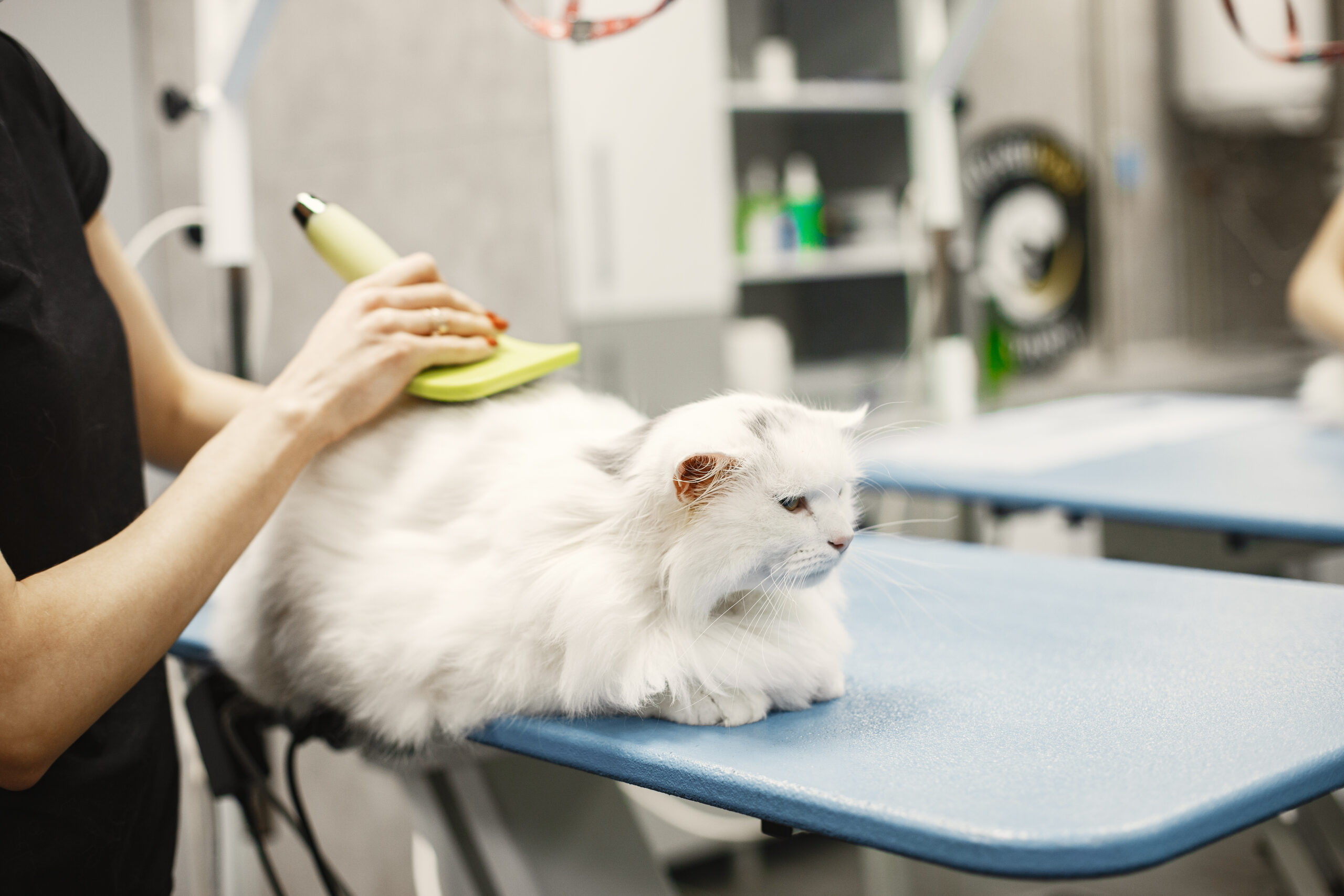
- Proper Brushing Techniques Matter: Dead hair sits in your dog’s coat, waiting to fall onto furniture and floors. Professional groomers use specific tools matched to coat types. Double-coated breeds like Golden Retrievers need undercoat rakes that pull loose fur without damaging the topcoat. Short-haired dogs benefit from rubber curry brushes that capture shedding hair effectively.
- Bathing Frequency and Product Selection: Too many baths strip natural oils, causing dry skin and increased shedding. Too few allow dirt buildup that irritates skin. Groomers calculate the right frequency based on breed, activity level, and skin condition. They select hypoallergenic shampoos for sensitive skin or medicated formulas for existing problems. The water temperature matters too. Lukewarm water opens hair follicles for thorough cleaning without shocking the system.
Addressing Matting Before It Becomes Painful
- Why Mats Form and Their Hidden Dangers: Tangles start small but tighten into hard mats that pull skin with every movement. The area underneath stays damp, creating breeding grounds for bacteria. Dogs develop painful sores hidden beneath innocent-looking fur clumps. Hyderabad’s humidity accelerates mat formation, especially in breeds with longer coats.
- Professional Dematting vs Home Attempts: Groomers assess whether mats can be brushed out or need careful cutting. They work in sections, holding skin taut to prevent nicking. Home scissors often cause accidental cuts because mats sit closer to skin than they appear. Professional tools include mat splitters and detangling sprays that make the process less stressful for anxious dogs.
Seasonal Grooming Adjustments
- Monsoon Season Challenges: Heavy rains mean wet fur that doesn’t dry properly in humid air. Dampness leads to yeast infections and musty odours. Groomers recommend shorter clips during monsoon months. They focus on areas prone to moisture retention, such as paw pads, belly, and areas around the tail. Post-bath drying becomes critical. Industrial dryers remove moisture that towels miss.
- Summer Coat Management: Hot months bring different problems. Some owners request very short cuts, thinking it cools dogs down. Groomers explain that coat actually provides insulation against heat. The right trim allows air circulation without removing protective layers. They pay attention to breeds prone to sunburn, like white-coated dogs who need strategic trimming rather than complete shaving.
Health Benefits Beyond Appearance
- Nail Care Prevents Joint Problems: Overgrown nails force dogs to walk on the backs of their paws. This unnatural position strains joints and causes arthritis over time. Regular trimming keeps nails at proper length. Groomers know where the quick ends, avoiding painful cuts that make dogs fear future nail sessions.
- Ear Cleaning Reduces Infection Risk: Floppy ears trap moisture and debris. Breeds like Cocker Spaniels need regular ear cleaning to prevent chronic infections. Groomers use proper solutions and techniques. They never push cotton buds deep into ear canals. They spot early signs of infection such as redness, unusual smell, or excessive wax that needs veterinary care.
- Anal Gland Expression: Many pet parents don’t realise dogs need this service. Full anal glands cause scooting, excessive licking, and discomfort. Groomers check and express these glands during sessions. They notice if glands fill too quickly, which might indicate diet issues or allergies requiring attention.
Choosing the Right Grooming Schedule
- Breed-Specific Timing: Different breeds need different frequencies. These guidelines help planning:
- Long-haired breeds like Shih Tzus benefit from grooming every 4 to 6 weeks to prevent matting and maintain coat health.
- Short-haired breeds such as Beagles manage well with sessions every 8 to 12 weeks for basic maintenance.
- Double-coated breeds like Huskies require professional deshedding every 6 to 8 weeks, especially during seasonal coat changes.
- Curly-coated breeds including Poodles need grooming every 4 to 6 weeks to avoid painful tangles and maintain their distinctive appearance.
- Adjusting for Individual Needs: Active dogs who swim or play outdoors need more frequent sessions than indoor companions. Skin conditions require special schedules. Groomers work with pet parents to create customised plans that fit both dog needs and family budgets.
Conclusion
Professional grooming protects your dog from painful skin conditions and manages shedding that affects home cleanliness. Regular sessions catch health problems early, maintain coat condition, and keep your pet comfortable through Hyderabad’s challenging climate. Book a consultation with an experienced groomer to assess your dog’s specific needs and establish a grooming routine that prevents problems before they start.