









Moving a dog from one location to another seems a straightforward process on the surface. You book a vehicle, load the pet, and drive to the destination. Yet this approach overlooks something critical: dogs experience travel differently than humans do. They cannot understand why familiar surroundings suddenly vanish or why strange smells fill the air around them. Quality dog transport services recognise that successful pet relocation depends on more than punctual arrival times.
The best dog transport services understand canine psychology and design their processes around reducing anxiety rather than simply covering distance. This shift in focus transforms what could be a traumatic experience into a manageable journey that respects your dog’s emotional state throughout. Dogs rely heavily on routine and familiar cues to feel secure, so providers incorporate elements of normalcy into the travel experience.
Stress builds quickly when emotional needs go unaddressed during transit. Professional handlers introduce themselves before departure, allowing dogs to become comfortable with new faces. Vehicles carry familiar bedding or toys that provide olfactory comfort during the journey. These small touches make substantial differences in how dogs process the stress of travel and adapt to temporary displacement.
Table of Contents
ToggleBeyond Basic Transportation
Emotional Intelligence in Handling: Professional handlers trained in canine behaviour read subtle stress signals that untrained drivers miss completely. A panting dog might need water rather than speed. Whining often indicates discomfort with positioning rather than general anxiety. Handlers adjust their approach based on these real-time observations, creating a responsive experience that adapts to each dog’s unique needs during transit.
Strategic Break Planning: Long journeys require carefully timed stops that allow dogs to relieve themselves, stretch cramped muscles, and reset their nervous systems. Random roadside pauses rarely suffice because dogs need safe, enclosed spaces to decompress properly. Professional services identify suitable rest areas in advance and build these breaks into journey timelines rather than treating them as unfortunate delays.
The Comfort-First Philosophy
Climate Control Beyond Temperature: Proper ventilation matters as much as air conditioning when transporting dogs. Stale air increases nausea and discomfort, particularly for breeds prone to respiratory sensitivity:
- Transport vehicles maintain fresh airflow without creating harsh drafts that chill dogs after they perspire from stress.
- Window positioning allows dogs to see outside without exposing them to dangerous wind speeds or road debris.
- Temperature regulation considers breed-specific needs rather than applying standard settings across all journeys.
Secure Positioning That Feels Natural: Crate training prepares dogs for transport, yet crate placement within vehicles significantly impacts comfort levels. Dogs positioned where they can observe their surroundings generally experience less panic than those isolated in dark cargo areas. Proper securing prevents sliding during turns without creating restrictive pressure that increases anxiety throughout the journey.
Treating Pets as Family
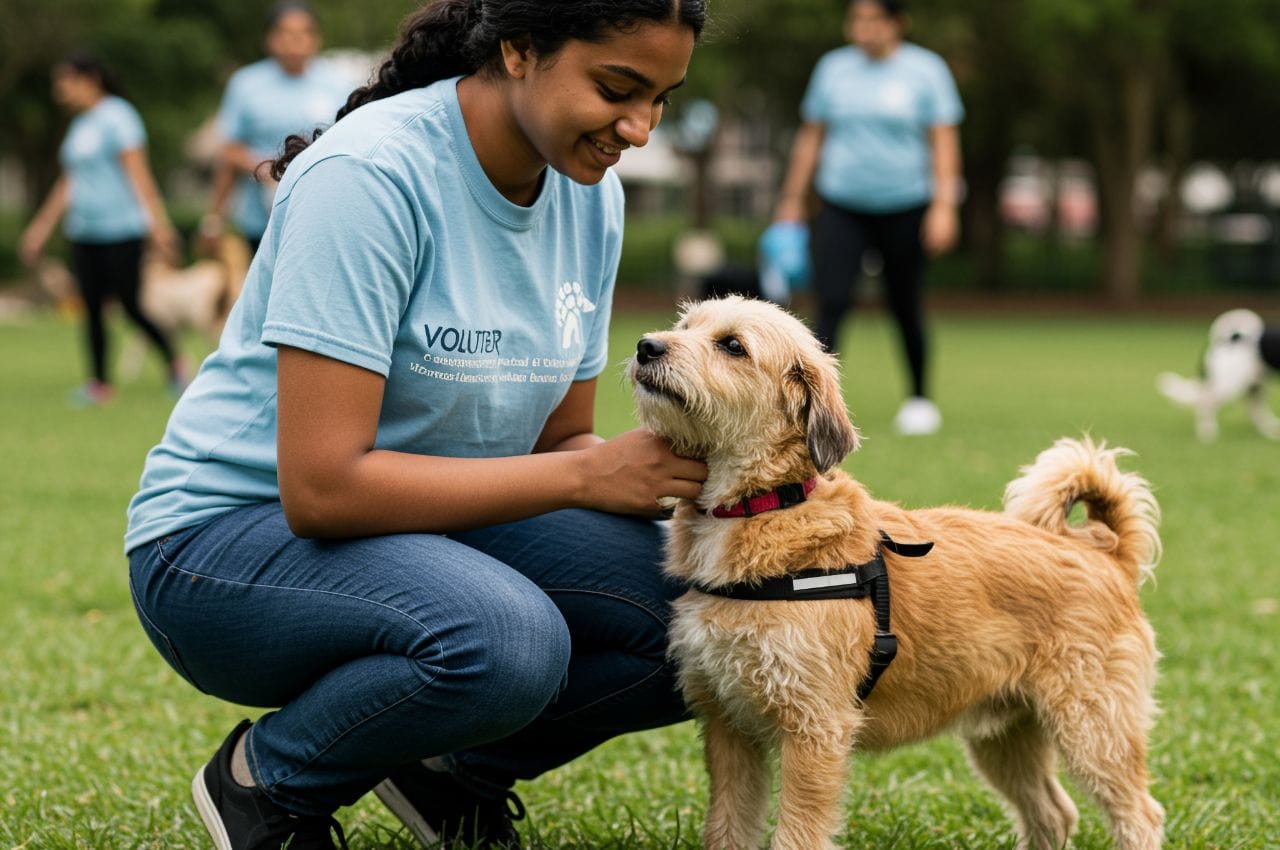
Pre-Journey Familiarisation: Meeting transport handlers before departure day reduces stranger anxiety substantially. Dogs allowed to sniff vehicles and explore crates voluntarily approach travel with less resistance. This preparation takes additional time yet prevents the trauma of forcing frightened dogs into unfamiliar spaces under pressure. The investment in familiarisation pays dividends through calmer, safer transport experiences.
Communication Throughout Transit: Regular photo updates and location sharing help pet parents manage their own anxiety during separation. This transparency also creates accountability, as handlers know families track their progress and care standards. Professional services embrace this visibility rather than viewing it as intrusive oversight that complicates their operations.
Post-Journey Transition Support: Arrival marks the beginning of adjustment rather than the end of service. Quality providers offer guidance on helping dogs settle into new environments, recognising that separation anxiety and relocation stress often peak after transport concludes. This holistic approach treats the entire experience as interconnected rather than viewing delivery as the sole measure of success.
Wellbeing as the Primary Metric
Physical safety represents the baseline expectation for any transport service. Dogs must arrive uninjured and healthy. Yet emotional wellbeing determines whether the journey causes lasting psychological harm or remains a neutral experience dogs process without trauma. Services that measure success by stress levels rather than speed alone produce better outcomes for pets and families.
Conclusion
Choosing transport services requires looking beyond vehicle types and price points to examine how providers view dogs themselves. Services that treat pets as valued family members design every process around minimising stress and maintaining emotional stability throughout journeys. This philosophy produces calmer dogs, less anxious families, and smoother transitions into new environments. Consider scheduling a meet-and-greet with potential transport providers to observe how handlers interact with dogs before making your decision.