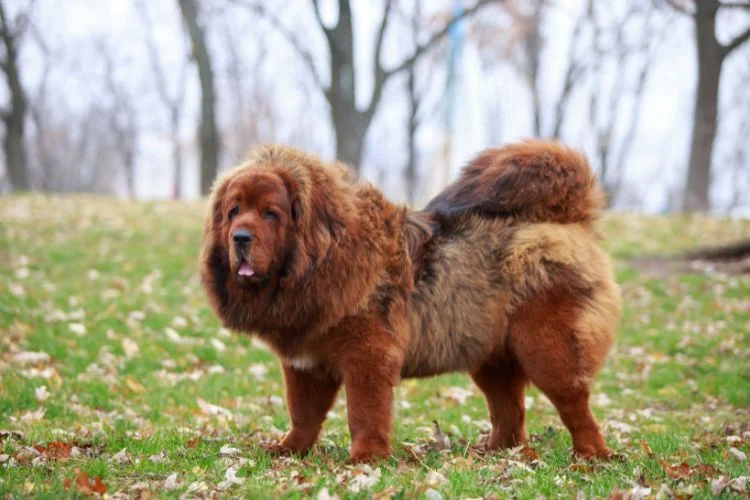
The Tibetan Mastiff is a majestic, powerful and independent breed. In India, people are often attracted to its lion-like coat and guardian personality, but this is not an easy breed for every home. Tibetan Mastiff care in India requires space, training, heat management, grooming discipline and responsible handling.
This breed was developed for cold mountain regions, so hot Indian weather can be a serious challenge. A Tibetan Mastiff in Bangalore, Hyderabad, Chennai or Delhi needs a different routine from one living in a cooler hill region.
Table of Contents
ToggleTemperament and suitability
Tibetan Mastiffs are loyal and protective, but they can be stubborn and territorial. They are not usually the best first dog for inexperienced pet parents. They need early socialisation, calm leadership and clear boundaries. Without training, their protective nature can become difficult to manage with guests, delivery partners or other dogs.
Families considering this breed should ask: do we have space, time, budget, cooling arrangements and access to professional grooming and training? If the answer is no, it may not be the right breed for apartment life.
Grooming needs
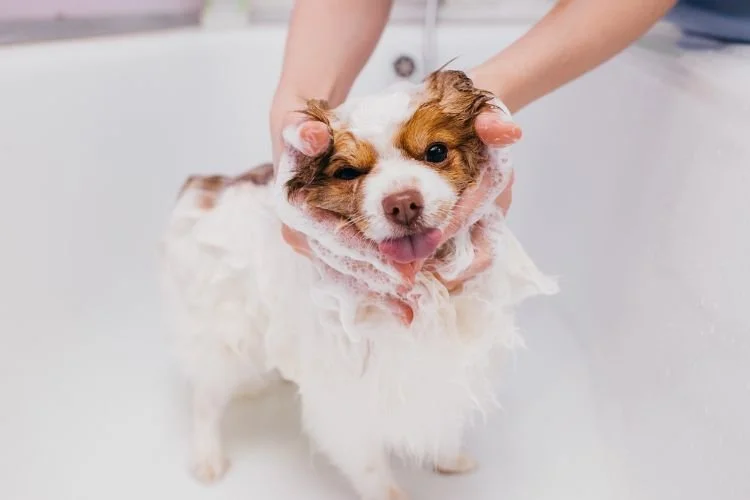
The Tibetan Mastiff has a dense double coat. The coat should not be shaved casually. It needs brushing, deshedding and regular coat checks. During shedding seasons, loose undercoat can come out heavily. If not removed, it can create matting, heat discomfort and skin problems.
Professional dog grooming is useful for bath, blow-dry, deshedding, nail trimming, ear cleaning and hygiene checks. PawSpace doorstep grooming can be useful for large breeds because transport to a salon can be stressful and difficult.
Summer heat care in India
Heat management is the biggest concern. Avoid afternoon walks. Use early morning and late evening walks. Keep the dog indoors during peak heat. Provide cool flooring, fans, ventilation and water access. Watch for heavy panting, drooling, weakness, red gums or collapse – these can be heat stress signs and need urgent veterinary attention.
Do not assume a thick coat means the dog should be shaved. Double coats protect in specific ways, but they need maintenance. Shaving can sometimes worsen coat quality. Speak to a vet or experienced groomer before making coat decisions.
Training and socialisation
Training should start early. Focus on leash manners, recall, calm greeting, place command, muzzle conditioning if needed and guest management. Avoid harsh training. A confident guardian breed responds better to consistent structure than panic or force.
PawSpace dog training can help families build a safer home routine, especially for large breeds that need controlled behaviour around people and other pets.
Boarding considerations
Not every boarding setup is suitable for a Tibetan Mastiff. They need space, safe handling, experienced caretakers and proper separation if they are uncomfortable with other dogs. Before booking dog boarding, ask about enclosure size, handler experience, cooling, feeding routine, updates and emergency vet access.
For sensitive or territorial dogs, home-style boarding or an experienced pet sitter may work better than crowded kennels.
FAQs
Can Tibetan Mastiffs live in India?
They can, but they need careful heat management, grooming, space and responsible handling. Very hot cities can be challenging.
Should I shave a Tibetan Mastiff in summer?
Do not shave casually. Double coats need brushing and deshedding. Consult a vet or experienced groomer before shaving.
Are Tibetan Mastiffs good apartment dogs?
Usually they are better suited to spacious homes with experienced owners. Apartment living can be difficult without training and exercise planning.
How often should a Tibetan Mastiff be groomed?
Regular brushing is needed, with professional grooming depending on coat condition, shedding and climate.
Is professional training necessary?
For most families, yes. Their size and guarding nature make early training very important.