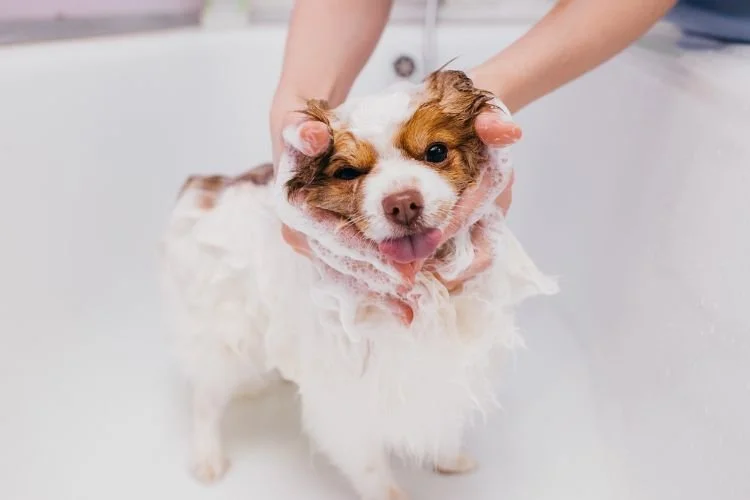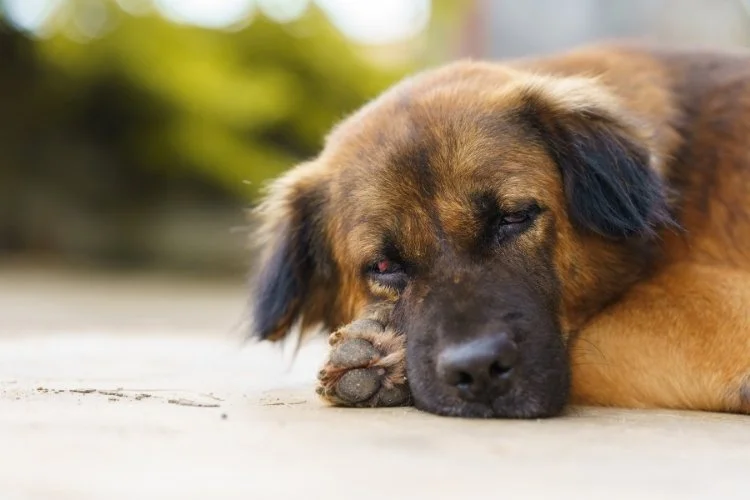
Skin problems are very common in dogs, especially in Indian weather where heat, humidity, dust, ticks, allergies and moisture can affect the skin. Many pet parents notice their dog scratching, licking paws, smelling bad, losing hair, developing red patches, or getting repeated ear infections.
One common reason behind these signs can be a fungal infection in dogs.
A fungal infection can affect a dog’s skin, ears, paws, nails or coat. Some fungal infections are caused by yeast overgrowth, while others are caused by fungi like ringworm. In some rare cases, fungal infections can also affect internal organs, but this blog mainly focuses on common skin and ear-related fungal infections that pet parents often see at home.
The important thing to remember is this: fungal infection in dogs should not be ignored or treated casually with random home remedies. Many fungal infections look similar to allergies, mites, bacterial infection, tick-related skin problems or hormonal skin disease. Proper diagnosis by a veterinarian is the safest approach.
This guide explains fungal infection in dogs in a simple, practical way — symptoms, causes, types, treatment, home care, grooming, prevention and when to visit a vet.
For grooming, skin hygiene support, home boarding, pet care and dog training services, connect with PawSpace Pet Care Services.
Table of Contents
ToggleWhat Is Fungal Infection in Dogs?
A fungal infection in dogs happens when fungi or yeast grow abnormally on or inside the dog’s body.
Some fungi are naturally present on the skin in small numbers and usually do not create problems. But when the skin environment changes, the immune system becomes weak, moisture builds up, or allergies are present, these organisms can overgrow and cause infection.
Common fungal problems in dogs include:
- Yeast dermatitis / Malassezia infection
- Fungal ear infection
- Ringworm / dermatophytosis
- Fungal paw infection
- Nail fungal infection
- Moist skin fold fungal infection
- Rare systemic fungal infections
In India, pet parents usually notice fungal infections more during humid weather, monsoon, after repeated bathing without proper drying, or in dogs with skin allergies.
Types of Fungal Infection in Dogs
1. Yeast Infection / Malassezia Dermatitis
Yeast infection is one of the most common fungal skin issues in dogs. It is often caused by Malassezia, a yeast that can normally live on the skin but becomes a problem when it overgrows.
Yeast dermatitis commonly causes:
- Itching
- Redness
- Musty smell
- Greasy skin
- Flaky skin
- Thickened skin
- Dark skin pigmentation
- Recurrent ear infections
Veterinary guidance notes that yeast dermatitis is caused by Malassezia pachydermatis and is an extremely common cause of skin disease in dogs. Common signs include itching, redness, musty odour, scales, crusty or flaky skin, thickened skin, hyperpigmentation and chronic or recurrent ear infections.
Common Areas Affected
Yeast infections often affect:
- Ears
- Paws
- Armpits
- Groin
- Neck folds
- Belly
- Skin folds
- Around tail
- Between toes
Dogs More Prone to Yeast Infection
Some dogs are more prone because of skin folds, allergies, oily skin or breed tendency.
Commonly affected breeds may include:
- Cocker Spaniel
- Shih Tzu
- Lhasa Apso
- Pug
- Bulldog
- Beagle
- Labrador
- Golden Retriever
- German Shepherd
- Dachshund
- Poodle
- Basset Hound
Any dog can get yeast infection if the skin condition supports yeast overgrowth.
2. Ringworm / Dermatophytosis
Ringworm is not actually a worm. It is a fungal infection of the skin, hair and sometimes nails.
Ringworm can cause:
- Circular hair loss
- Scaling
- Crusting
- Red patches
- Broken hairs
- Itching, sometimes
- Patchy coat
- Nail involvement in some cases
Merck Veterinary Manual describes dermatophytosis, commonly called ringworm, as a superficial fungal infection of animals. In dogs and cats, it can cause hair loss, scaling, crusting, redness, papules, hyperpigmentation and variable itching. It is also zoonotic, meaning it can spread between animals and humans.
Why Ringworm Needs Care
Ringworm can spread through:
- Direct contact with infected dogs/cats
- Contaminated bedding
- Grooming tools
- Towels
- Brushes
- Floors
- Furniture
- Human handling
It is especially important to be careful if there are children, elderly people, pregnant women, or immunocompromised people at home.
3. Fungal Ear Infection
Dogs with floppy ears, allergies, moisture buildup or repeated ear infections may develop fungal/yeast ear infections.
Common signs:
- Head shaking
- Ear scratching
- Bad smell from ear
- Brown discharge
- Red ear canal
- Ear pain
- Wax buildup
- Rubbing ear on floor
- Crying when ear is touched
Ear infections should always be checked by a vet. Do not put random oil, drops, powders or home remedies into the ear.
4. Fungal Paw Infection
Many dogs lick their paws due to irritation, allergy, moisture, yeast infection or grass/dust exposure.
Common signs:
- Paw licking
- Redness between toes
- Brown staining
- Bad smell from paws
- Swelling
- Moist skin
- Itching
- Chewing paws
- Darkened skin between toes
Paw fungal infections are common during monsoon or in dogs that walk in wet grass, dirty roads or damp areas.
5. Skin Fold Fungal Infection
Dogs with skin folds may develop fungal infections when moisture and heat get trapped inside folds.
Common areas:
- Face folds
- Neck folds
- Armpits
- Groin
- Tail fold
- Belly folds
Breeds like Pugs, Bulldogs, Shih Tzus and overweight dogs may be more prone.
Symptoms of Fungal Infection in Dogs
The symptoms depend on the type of fungal infection, but pet parents should watch for these common signs.
Skin Symptoms
- Itching
- Redness
- Hair loss
- Circular bald patches
- Flaky skin
- Greasy skin
- Bad odour
- Thickened skin
- Darkened skin
- Crusts
- Scabs
- Rashes
- Small bumps
- Skin folds becoming red or moist
- Scaling
- Dandruff-like flakes
Ear Symptoms
- Head shaking
- Ear scratching
- Ear smell
- Brown or black discharge
- Red ear canal
- Ear pain
- Repeated ear infection
Paw Symptoms
- Constant paw licking
- Chewing paws
- Redness between toes
- Brown saliva staining
- Paw smell
- Swollen paws
- Moistness between toes
Behaviour Changes
- Restlessness
- Irritability
- Poor sleep
- Reduced play
- Licking or scratching all night
- Avoiding touch
- Discomfort during grooming
Early Signs Pet Parents Should Not Ignore
Many fungal infections start small.
Do not ignore:
- Bad body smell even after bath
- Repeated ear smell
- Itching that continues for days
- Paw licking every night
- Red patches under belly
- Hair fall in round patches
- Skin becoming black/thick
- Repeated dandruff/flaking
- Wetness in skin folds
- Dog rubbing body on floor
- Dog scratching ears frequently
Early treatment is usually easier than treating chronic infection.
Causes of Fungal Infection in Dogs
Fungal infection usually happens when the skin environment allows fungi or yeast to grow.
1. Moisture
Moisture is one of the biggest triggers.
Common causes:
- Dog not dried properly after bath
- Wet coat after rain
- Swimming without drying
- Damp bedding
- Humid weather
- Wet paws after walks
- Skin folds staying moist
2. Allergies
Allergic skin disease is a major reason for repeated yeast infections.
Allergies may be due to:
- Food
- Dust
- Pollen
- Grass
- Fleas
- Ticks
- Shampoo
- Environmental allergens
VCA notes that yeast infections can occur when skin conditions change or immunity is suppressed, and that increased skin oils, often linked to allergic skin disease, are a common cause.
3. Weak Immune System
Dogs with weak immunity may be more prone to fungal infection.
This may happen due to:
- Long illness
- Poor nutrition
- Steroid use
- Hormonal disease
- Old age
- Puppies with immature immunity
- Chronic stress
4. Poor Coat Hygiene
Delayed grooming can allow dirt, dead hair, oil and moisture to collect.
This can worsen:
- Itching
- Odour
- Matting
- Skin irritation
- Hidden infections
Regular grooming helps detect skin problems early. PawSpace offers doorstep pet grooming services for coat hygiene, skin checks, tick checks and comfortable grooming support.
5. Skin Folds
Skin folds trap heat and moisture, creating a favourable environment for fungal overgrowth.
6. Repeated Antibiotic or Steroid Use
Some medicines may disturb normal skin balance or reduce immunity. Always use medicines only under veterinary guidance.
7. Contact With Infected Animals
Ringworm can spread from infected animals, grooming tools, bedding or contaminated surfaces.
8. Dirty Bedding and Environment
Unwashed bedding, damp corners, carpets, sofas and towels can hold fungi, yeast, bacteria and allergens.
Is Fungal Infection in Dogs Contagious?
It depends on the type.
Yeast Infection
Yeast dermatitis is generally not contagious from one dog to another. It usually happens because of skin imbalance, allergies or immunity issues. VCA specifically notes that yeast dermatitis is not contagious.
Ringworm
Ringworm can be contagious. It can spread to other pets and humans. This is why diagnosis and environmental cleaning are very important.
If your vet suspects ringworm, keep the infected pet separate, wash bedding, avoid sharing grooming tools, and follow the complete treatment plan.
How Is Fungal Infection in Dogs Diagnosed?
A vet may use different methods depending on the symptoms.
1. Physical Examination
The vet checks:
- Skin redness
- Hair loss
- Odour
- Ear discharge
- Paw infection
- Skin folds
- Coat condition
- Itching pattern
- Tick/flea signs
2. Skin Cytology
The vet may collect a sample from skin or ear and examine it under a microscope to check for yeast, bacteria or inflammatory cells.
3. Skin Scraping
This helps rule out mites or other skin parasites.
4. Fungal Culture
This may be used to diagnose ringworm.
5. Wood’s Lamp Examination
Some ringworm infections may glow under a special lamp, but this is not enough alone for diagnosis.
6. PCR Test
Some clinics may use PCR testing for dermatophyte/ringworm detection.
Merck notes that no single test is a gold standard for dermatophytosis, and diagnosis often uses multiple tests such as microscopic examination, fungal culture and PCR.
7. Allergy Testing or Deeper Workup
For repeated infections, the vet may investigate:
- Food allergy
- Environmental allergy
- Hormonal disease
- Immune issues
- Flea allergy
- Secondary bacterial infection
Treatment for Fungal Infection in Dogs
Treatment depends on the type, severity and underlying cause.
Do not self-medicate. Fungal infections can worsen if treated incorrectly.
1. Medicated Shampoo
For yeast infections, vets may recommend medicated shampoos containing antifungal ingredients.
VCA notes that topical treatment with medicated shampoos is a vital part of treating yeast dermatitis, and antifungal shampoos may need contact time on the skin to work properly.
Important shampoo rules:
- Use only vet-recommended shampoo
- Follow contact time
- Rinse properly
- Dry the dog completely
- Do not over-bathe
- Do not use human shampoo
2. Topical Antifungal Cream/Ointment
For small localized patches, the vet may prescribe topical medication.
Do not apply random human antifungal creams without vet advice because dogs may lick them, and some products may not be safe.
3. Oral Antifungal Medicines
Severe, chronic or widespread fungal infections may need oral antifungal medicines.
These medicines should only be given by a vet because they may need monitoring, especially for liver-related side effects. VCA notes that severe or persistent yeast dermatitis may require oral/systemic antifungals, and close monitoring with routine blood tests may be needed because of possible side effects.
4. Ear Drops
Fungal ear infections may need medicated ear drops after veterinary examination.
Do not use leftover ear drops without checking the eardrum and infection type.
5. Treating Underlying Allergy
If allergy is the root cause, fungal infection may keep coming back unless the allergy is managed.
This may include:
- Diet trial
- Allergy medicines
- Flea/tick control
- Skin barrier support
- Regular medicated baths
- Environmental control
6. Treating Secondary Bacterial Infection
Many dogs with fungal infection may also have bacterial infection. The vet may prescribe additional treatment if needed.
7. Environmental Cleaning
For ringworm, cleaning the environment is important because spores can survive in surroundings.
Cleaning may include:
- Washing bedding
- Vacuuming
- Disinfecting surfaces
- Cleaning brushes
- Avoiding shared towels
- Separating infected pet if advised
How Long Does Fungal Infection Treatment Take?
Treatment duration depends on the type and severity.
Mild Yeast Infection
May improve in a few days to weeks with correct treatment.
Chronic Yeast Infection
May need several weeks of treatment and long-term allergy control.
Ringworm
May take several weeks. Merck notes that resolution of dermatophytosis infection can take around 6–12 weeks.
Ear Fungal Infection
May need follow-up checks because ear infections can return if not treated properly.
Do not stop treatment early just because itching reduces. Complete the course recommended by the vet.
Can Fungal Infection in Dogs Come Back?
Yes, fungal infection can come back if the root cause is not controlled.
Common reasons for recurrence:
- Allergies not treated
- Moisture not managed
- Dog not dried properly
- Wrong shampoo
- Incomplete treatment
- Ear infection not fully cleared
- Poor tick/flea control
- Dirty bedding
- Skin folds not cleaned
- Ringworm spores in environment
- Underlying hormonal disease
Repeated fungal infection is a sign that deeper evaluation may be needed.
Home Care for Dogs With Fungal Infection
Home care supports vet treatment.
1. Keep the Skin Dry
After baths, rain walks or swimming, dry your dog properly.
Pay attention to:
- Paws
- Ears
- Armpits
- Groin
- Skin folds
- Under belly
- Tail area
2. Wash Bedding Regularly
Wash:
- Dog bed
- Blankets
- Towels
- Crate mats
- Sofa covers used by dog
Dry completely before reuse.
3. Prevent Excessive Licking
Licking makes infection worse.
Your vet may suggest:
- E-collar
- Recovery collar
- Paw cleaning routine
- Anti-itch treatment
- Medication
4. Follow Bathing Instructions
Medicated shampoos need correct use. More bathing is not always better.
5. Keep Ears Clean, But Safely
Do not pour oils or home remedies into the ear. Use vet-prescribed ear cleaner only.
6. Maintain Tick and Flea Prevention
Ticks and fleas can worsen skin irritation and lead to scratching, wounds and secondary infection.
7. Improve Nutrition
Good nutrition supports skin health.
Ask your vet about:
- Omega-3 support
- Balanced diet
- Food allergy trial
- Skin supplements, if needed
What Not to Do
Avoid these mistakes:
- Do not use human shampoo
- Do not use Dettol directly on skin
- Do not apply turmeric, kerosene, oil or random home remedies
- Do not use steroid creams without vet advice
- Do not give oral antifungal medicine without prescription
- Do not stop treatment early
- Do not shave double-coated dogs without advice
- Do not ignore repeated ear infections
- Do not bathe and leave the coat damp
- Do not assume every hair loss patch is fungal infection
Fungal Infection Prevention in Dogs
Prevention is easier than repeated treatment.
1. Regular Grooming
Regular grooming helps keep skin and coat clean and allows early detection of:
- Redness
- Odour
- Ticks
- Flaking
- Hair loss
- Ear issues
- Paw infection
- Skin fold irritation
PawSpace provides doorstep pet grooming services for dogs who need professional coat care at home.
2. Dry Properly After Bath
Moisture is a major trigger. Always dry your dog fully.
3. Clean Paws After Walks
After walks, especially during monsoon:
- Wipe paws
- Dry between toes
- Check for redness
- Remove mud
- Check for ticks
4. Manage Allergies
If your dog has repeated itching, do not keep treating only the infection. Find the cause.
5. Use Correct Shampoo
Use dog-safe shampoo recommended for your pet’s skin type.
6. Keep Ears Dry
For floppy-eared dogs, ear care is important.
7. Wash Bedding
Clean bedding reduces skin irritation and infection risk.
8. Avoid Sharing Grooming Tools
Do not share brushes or towels between infected and healthy pets.
9. Safe Boarding
Choose clean boarding or sitting services where hygiene is maintained. PawSpace can help with home boarding and pet care services where pet comfort and cleanliness can be planned properly.
Fungal Infection and Grooming: What Pet Parents Should Know
Grooming can help, but timing matters.
Grooming Helps When:
- Coat is dirty
- Dead hair is trapped
- Skin needs inspection
- Paws need cleaning
- Ticks/fleas need checking
- Dog needs medicated bath under vet advice
Grooming Should Wait When:
- Dog has severe pain
- Skin is bleeding
- Dog has fever
- Dog is very weak
- Vet has advised rest
- Ringworm isolation is needed
- Dog is too stressed
Always inform the groomer if your dog has a suspected or confirmed fungal infection.
Fungal Infection and Dog Training
Skin discomfort can affect behaviour. A dog with itching or ear pain may become irritated, distracted or less responsive.
Training should be gentle and low-pressure until the dog is comfortable.
If your dog has repeated paw licking, scratching or discomfort during walks, treat the skin issue first.
For behaviour, obedience and routine support, PawSpace offers professional dog training services.
When to Visit a Vet Immediately
Do not delay veterinary care if your dog has:
- Severe itching
- Bleeding skin
- Bad-smelling wounds
- Ear pain
- Head tilting
- Loss of balance
- Swollen paws
- Rapid hair loss
- Circular bald patches spreading
- Fever
- Not eating
- Pus
- Eye involvement
- Skin becoming black/thick
- Infection spreading to other pets or humans
- Repeated fungal infection
PawSpace Skin Care Checklist
Use this simple checklist for fungal infection prevention:
- Brush coat regularly
- Dry dog fully after bath
- Wipe paws after rainy walks
- Check ears weekly
- Clean bedding weekly
- Use vet-approved tick/flea control
- Avoid damp bedding
- Do not use human shampoo
- Watch for musty odour
- Visit vet for repeated itching
- Groom regularly
- Keep skin folds dry
- Complete treatment course
- Avoid self-medication
Common Myths About Fungal Infection in Dogs
Myth 1: All Itching Means Fungal Infection
False. Itching can happen because of allergies, ticks, fleas, mites, bacteria, dry skin or hormonal problems.
Myth 2: Human Antifungal Cream Is Always Safe for Dogs
False. Dogs may lick creams, and some products may not be safe. Use vet-prescribed medication.
Myth 3: Yeast Infection Spreads From Dog to Dog
Usually false. Yeast dermatitis is generally not contagious. It is often linked to skin imbalance or allergies.
Myth 4: Ringworm Is a Worm
False. Ringworm is a fungal infection, not a worm.
Myth 5: Bathing Daily Will Cure Fungal Infection
False. Over-bathing can irritate skin. Medicated bathing must follow veterinary instructions.
Myth 6: Bad Smell Is Normal in Dogs
False. A strong musty or foul smell can indicate yeast, bacterial infection, ear infection or skin disease.
Final Thoughts
Fungal infection in dogs is common, especially in warm and humid conditions, but it should not be ignored.
If your dog has itching, redness, musty smell, hair loss, flaky skin, repeated ear infections, paw licking or circular bald patches, consult a vet. Correct diagnosis is important because fungal infection can look like many other skin problems.
With proper treatment, grooming, dryness, allergy control and hygiene, most dogs can recover well. The key is to treat the infection and also manage the reason it happened in the first place.
For grooming, skin hygiene support, home boarding, sitting, training or pet care guidance, contact PawSpace:
Email: connect@pawspace.in
Phone: 9996999505
Website: PawSpace Pet Care Services
FAQs
1. What is fungal infection in dogs?
Fungal infection in dogs happens when fungi or yeast grow abnormally on the skin, ears, paws, nails or other body areas. Common examples include yeast dermatitis and ringworm.
2. What are the symptoms of fungal infection in dogs?
Common symptoms include itching, redness, bad smell, flaky skin, greasy skin, hair loss, darkened skin, paw licking, ear smell and circular bald patches.
3. Is fungal infection in dogs contagious?
Yeast infection is usually not contagious. Ringworm can be contagious and may spread to other pets or humans.
4. How is fungal infection diagnosed in dogs?
A vet may use skin cytology, skin scraping, fungal culture, Wood’s lamp examination, PCR test or other skin tests depending on the case.
5. Can I treat fungal infection in dogs at home?
Do not rely on home remedies. Fungal infection needs correct diagnosis and vet-prescribed treatment. Home care can support recovery but should not replace veterinary care.
6. What is the treatment for fungal infection in dogs?
Treatment may include medicated shampoo, topical antifungal medicine, oral antifungal medicine, ear drops, allergy management and environmental cleaning, depending on the type and severity.
7. How long does fungal infection take to heal?
Mild yeast infections may improve within weeks, while chronic infections or ringworm may take longer. Ringworm can take several weeks to fully clear.
8. Why does my dog keep getting fungal infection?
Repeated fungal infection may happen due to allergies, moisture, weak immunity, skin folds, poor drying, dirty bedding, ear problems or incomplete treatment.
9. Can grooming help prevent fungal infection?
Yes. Regular grooming helps keep the coat clean, removes dead hair, allows early skin checks and supports hygiene. Dogs must also be dried properly after baths.
10. Can PawSpace help with fungal infection care?
PawSpace can support with doorstep grooming, hygiene care, skin checks, home boarding and pet care guidance. For medical diagnosis and treatment, always consult a veterinarian. Contact connect@pawspace.in or call 9996999505.