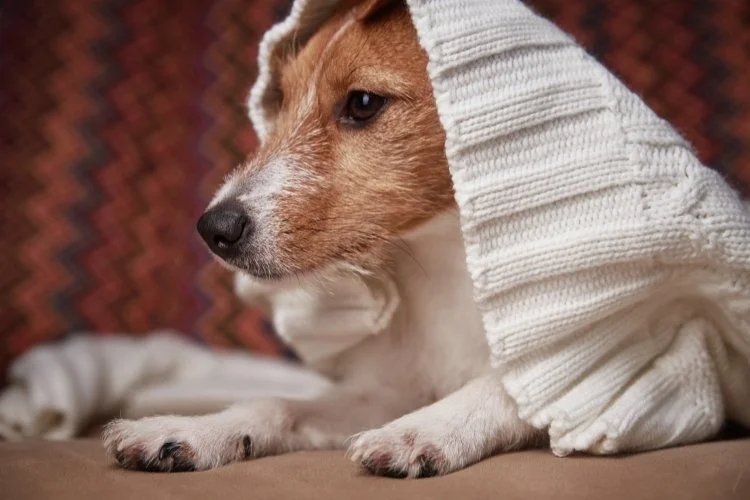
Winter in India may feel pleasant for humans, but for senior pets, even mild cold can become uncomfortable. Older dogs and cats may not always show pain clearly, but cold weather can make them slower, stiffer, sleepier, and more reluctant to move.
If you have a senior dog or cat at home, winter care needs a little extra planning. Older pets may have weaker joints, reduced muscle mass, slower metabolism, dental issues, chronic health conditions, thinner coat, or lower immunity. Cold floors, early morning walks, damp bedding, and sudden temperature changes can make them uncomfortable.
This guide will help Indian pet parents understand how to keep senior pets warm in winter, especially senior dogs and cats living in apartments, villas, independent houses, and colder Indian cities.
For senior pet grooming, home boarding, sitting, dog training support and trusted pet care services, contact PawSpace Pet Care Services.
Table of Contents
ToggleWhy Senior Pets Need Extra Winter Care
Senior dogs and cats are more sensitive to temperature changes than young healthy pets. Cold weather can affect their joints, muscles, skin, coat, appetite, sleep, and overall comfort.
Older pets may struggle more because of:
- Arthritis or joint pain
- Lower muscle mass
- Thin coat or patchy coat
- Lower activity level
- Poor circulation
- Dental issues
- Kidney, heart, thyroid or liver disease
- Weak immunity
- Weight loss
- Reduced ability to regulate body temperature
- Vision or hearing loss
- Anxiety in changing routines
Cold weather can also make pets less willing to drink water, move around, climb stairs or go outside for toilet breaks.
How Cold Is Too Cold for Senior Pets?
India has different winter conditions depending on the city.
A senior pet in Bengaluru may need only a warm bed and covered sleeping spot, while a senior pet in Delhi, Chandigarh, Jaipur, Shimla, Dehradun or North India may need stronger winter protection.
Extra Care Is Needed When:
- Your pet is shivering
- Your pet sleeps curled tightly all day
- Your pet avoids cold floors
- Your pet refuses morning walks
- Your pet limps more in winter
- Your pet’s ears/paws feel cold
- Your pet is underweight
- Your pet has arthritis
- Your pet has heart/kidney/thyroid issues
- Your pet has short coat
- Your cat avoids going outdoors
- Your dog is reluctant to get up
Very cold conditions can lead to hypothermia, especially in elderly, medically fragile or wet pets. Early signs may include shivering and cold extremities, while severe cases can lead to lethargy, confusion and collapse.
1. Create a Warm Sleeping Space
Senior pets spend a lot of time sleeping, so their bed matters.
A good winter bed should be:
- Soft
- Warm
- Dry
- Raised slightly from cold floor
- Easy to enter
- Joint-friendly
- Away from cold wind
- Away from balcony doors
- Away from damp walls
- Easy to clean
For Senior Dogs
Use:
- Orthopedic bed
- Thick blanket
- Non-slip mat around bed
- Low-entry bed for easy access
- Warm corner away from drafts
Avoid making senior dogs sleep directly on marble, tile, granite or cement floors.
For Senior Cats
Cats love warmth. Give them:
- Soft covered bed
- Fleece blanket
- Warm window perch, if safe
- Cardboard box with blanket
- Quiet corner
- Easy access to litter box
Older cats with arthritis may struggle to jump, so keep their bed at an easy height.
2. Protect Joints From Cold Floors
Cold floors can make arthritis and stiffness worse. Senior pets may find it painful to stand, walk or get up after sleeping.
Helpful Changes
- Add rugs or mats on slippery floors
- Use non-slip pathways
- Keep bedding off the floor
- Use ramps for sofas/beds, if needed
- Avoid stairs where possible
- Keep food and water nearby
- Keep litter tray accessible for senior cats
- Keep toilet breaks easy for senior dogs
Senior cats often hide arthritis signs. A cat that stops jumping, sleeps more, avoids stairs or hesitates before climbing may be in pain.
3. Keep Walks Short, Warm and Safe
Senior dogs still need movement, but winter walks should be adjusted.
Best Walk Timing in Indian Winters
Avoid very early morning walks if your dog is stiff or uncomfortable.
Better timing:
- Mid-morning
- Afternoon
- Early evening
In colder cities, avoid late-night walks for senior dogs unless necessary.
Winter Walk Tips
- Keep walks shorter
- Use a sweater/jacket if needed
- Avoid wet grass
- Avoid foggy low-visibility roads
- Avoid overexertion
- Walk slowly
- Choose safe, non-slippery routes
- Dry paws after walk
- Watch for limping
- Stop if your dog shivers or slows down
For dogs with arthritis, two or three short walks may be better than one long walk.
4. Use Sweaters and Jackets Properly
Some senior pets benefit from warm clothing, especially:
- Short-coated dogs
- Small dogs
- Thin dogs
- Senior cats with low body weight
- Dogs with arthritis
- Pets recovering from illness
- Pets in North Indian winters
- Dogs that shiver easily
Good Winter Clothing Should Be:
- Comfortable
- Not too tight
- Easy to wear
- Easy to remove
- Dry
- Washable
- Not restricting movement
- Not rubbing armpits or neck
Avoid:
- Keeping wet sweaters on
- Tight clothes
- Heavy clothes indoors if pet overheats
- Clothes that irritate skin
- Leaving cats unsupervised in clothing if they hate it
Always remove and check the skin daily. Senior pets can develop skin irritation if clothing traps moisture or friction.
5. Keep Your Pet Dry
Wet fur makes pets lose warmth faster. This is especially risky for older pets.
Keep Them Dry After:
- Bath
- Rain
- Wet grass walks
- Dewy morning walks
- Floor cleaning
- Accidental water spills
- Grooming sessions
Dry especially around:
- Paws
- Belly
- Chest
- Ears
- Tail base
- Skin folds
- Undercoat
Do not let senior pets sleep with damp fur. Dampness can worsen skin infections, fungal issues and cold discomfort.
6. Grooming Is Still Important in Winter
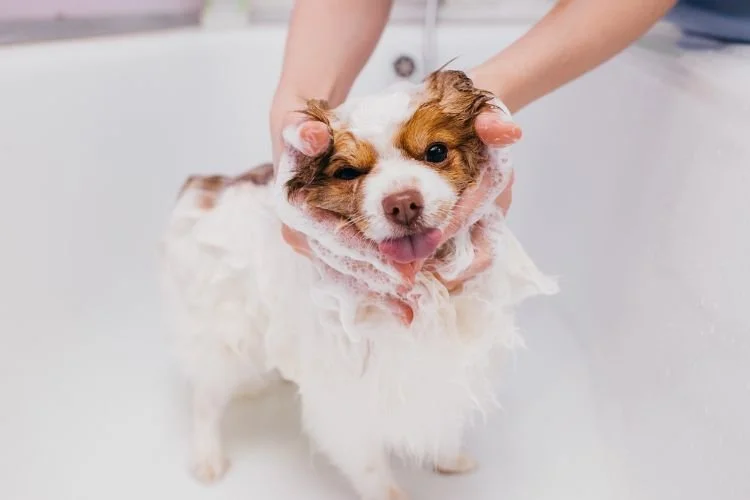
Many pet parents avoid grooming in winter, thinking baths are unsafe. The truth is that senior pets still need coat hygiene, brushing, nail care and skin checks.
Winter grooming helps:
- Remove dead hair
- Prevent matting
- Improve skin comfort
- Detect ticks/fleas
- Detect lumps or wounds
- Reduce odour
- Keep paws clean
- Maintain coat insulation
For senior dogs and cats, grooming should be gentle, warm and stress-free. PawSpace offers doorstep pet grooming services so senior pets can be groomed comfortably at home without travel stress.
Senior Pet Grooming Tips
- Use lukewarm water
- Avoid long grooming sessions
- Dry completely
- Use pet-safe shampoo
- Brush gently
- Trim nails regularly
- Clean ears carefully
- Avoid cold drafts after bath
- Inform groomer about arthritis, pain or medical history
7. Support Arthritis and Joint Comfort
Winter can make joint stiffness more noticeable. Senior dogs and cats with arthritis may become slower, grumpier or less active.
Signs of Joint Pain in Dogs
- Difficulty getting up
- Limping
- Slower walks
- Avoiding stairs
- Reluctance to jump
- Less interest in play
- Crying when touched
- Stiffness after rest
Signs of Joint Pain in Cats
- Avoiding jumping
- Sleeping more
- Grooming less
- Using lower surfaces
- Hesitating before climbing
- Irritability
- Missing litter box
- Reduced activity
What Helps
- Soft orthopedic bedding
- Warm resting area
- Gentle walks
- Non-slip flooring
- Weight control
- Vet-prescribed joint supplements
- Vet-prescribed pain relief if needed
- Ramps or low steps
- Avoid slippery floors
Never give human painkillers to pets. Many human medicines can be dangerous for dogs and cats.
8. Adjust Food and Hydration
Some senior pets eat less in winter, while others may gain weight due to reduced activity.
Feeding Tips
- Feed age-appropriate senior food if recommended
- Keep meals consistent
- Do not overfeed treats
- Monitor weight
- Offer slightly warm food if pet prefers it
- Avoid very cold refrigerated food
- Keep water fresh and accessible
- For cats, encourage wet food if vet approves
Warm food may improve palatability and comfort for some older dogs, especially picky eaters or pets with dental issues, but food should only be gently warmed, not overheated.
Hydration Tip
Senior cats and dogs may drink less in winter. Keep multiple water bowls around the house. For cats, wet food can help support hydration.
9. Keep Indoor Temperature Comfortable
Senior pets need a stable indoor environment.
Helpful Indoor Tips
- Close cold drafts at night
- Use curtains
- Keep bed away from balcony door
- Avoid damp rooms
- Provide warm bedding
- Use safe room heaters carefully
- Keep wires out of reach
- Do not place bed too close to heater
- Avoid sudden temperature changes
Heater Safety
If you use a heater:
- Do not leave pet unattended near it
- Keep distance from bedding
- Avoid exposed wires
- Avoid overheating the room
- Keep water available
- Watch for panting or discomfort
10. Help Senior Cats Stay Warm
Senior cats are experts at finding warm corners, but they also need help in winter.
Cat Winter Comfort Tips
- Keep cats indoors during cold nights
- Provide warm beds in multiple rooms
- Keep litter box indoors
- Avoid forcing outdoor time
- Use low-entry litter box
- Keep food/water close
- Provide sunny window spots
- Use soft blankets
- Check paws and ears
- Watch for hiding or reduced eating
Cold weather can be risky for cats, especially elderly cats or cats with thin coats. In colder temperatures, cats may need extra warmth and safe shelter, and freezing conditions can increase risks like hypothermia and frostbite.
11. Manage Toilet Breaks Carefully
Senior dogs may need more frequent toilet breaks, but they may also dislike going outside in cold weather.
Tips for Senior Dogs
- Keep walks short
- Use sweater if needed
- Choose dry walking area
- Avoid slippery surfaces
- Use pee pads if medically needed
- Be patient
- Do not force long walks
Tips for Senior Cats
- Keep litter box indoors
- Use low-entry litter tray
- Keep litter box close to resting area
- Clean regularly
- Keep litter box away from cold balcony areas
A senior cat missing the litter box may not be “misbehaving.” It may be pain, stiffness, cold discomfort or medical illness.
12. Watch for Winter Health Warning Signs
Senior pets can become unwell quickly. Watch changes closely.
Contact a Vet If You Notice:
- Shivering that does not stop
- Severe stiffness
- Refusing food
- Drinking too much or too little
- Coughing
- Breathing difficulty
- Pale gums
- Collapse
- Weakness
- Vomiting
- Diarrhoea
- Sudden limping
- Confusion
- Disorientation
- Crying in pain
- Not urinating
- Blood in urine
- Extreme lethargy
Senior pets should not be left to “wait and see” for too long.
13. Winter Care for Senior Dogs by Breed Type
Small Dogs
Small senior dogs lose heat faster.
Extra care for:
- Shih Tzu
- Pug
- Beagle
- Dachshund
- Indie small mixes
- Lhasa Apso
- Chihuahua
- Pomeranian
They may need sweaters, warm beds and shorter walks.
Large Dogs
Large dogs may struggle more with arthritis.
Extra care for:
- Labrador
- Golden Retriever
- German Shepherd
- Rottweiler
- Great Dane
- Husky
- Saint Bernard
They need orthopedic bedding, joint support and non-slip flooring.
Short-Coated Dogs
Short-coated dogs may feel colder.
Examples:
- Indie dogs
- Doberman
- Boxer
- Dalmatian
- Great Dane
- Labrador with thin coat
Use warm bedding and jacket if needed.
14. Senior Pet Care in Different Indian Cities
Bengaluru / Pune / Mysuru
Winters are mild but nights can feel cold. Warm bedding and avoiding cold floors are usually enough for many pets.
Delhi NCR / Chandigarh / Jaipur / Lucknow
Winters can be harsh, especially early mornings and nights. Senior pets may need sweaters, indoor warmth and adjusted walking times.
Mumbai / Chennai / Kochi
Winters are mild, but humidity and dampness can still affect skin and joints. Keep bedding dry and avoid damp floors.
Hyderabad / Ahmedabad / Indore
Temperature can drop at night. Senior pets may need warm bedding and controlled walk timings.
Hill Stations / North India
Senior pets need stronger winter protection, especially during very cold nights.
15. Senior Pets and Boarding During Winter
If you are travelling during winter, choose boarding carefully.
Ask:
- Will my senior pet sleep indoors?
- Is bedding warm and dry?
- Are senior pets separated from hyperactive young pets?
- Is medication support available?
- Are walks adjusted for age?
- Is there heater/indoor warmth if needed?
- Is there vet access?
- Will updates be shared?
- Can special food be given?
- Is there non-slip flooring?
PawSpace can help with home boarding and pet care services so senior pets can stay in a more comfortable, home-like environment.
16. Senior Dogs and Training in Winter
Training should be adjusted for older dogs.
Senior dogs may not need intense obedience drills, but gentle training keeps their mind active.
Good winter training activities:
- Short command practice
- Scent games
- Slow leash walking
- Recall indoors
- Food puzzles
- Calm behaviour reinforcement
- Gentle mobility exercises, if vet-approved
Avoid:
- Long high-energy sessions
- Jumping
- Slippery-floor training
- Cold outdoor training
- Punishment-based methods
For gentle senior-friendly training and behaviour support, PawSpace offers professional dog training services.
17. Winter Grooming Checklist for Senior Pets
Use this checklist:
- Brush coat gently
- Check for mats
- Check skin redness
- Check ticks/fleas
- Clean ears if needed
- Trim nails
- Clean paws
- Dry fully after bath
- Use warm towel
- Avoid cold air after grooming
- Keep session short
- Inform groomer about pain points
- Use doorstep grooming to reduce travel stress
18. Daily Winter Routine for Senior Dogs
Morning:
- Let them wake slowly
- Offer water
- Short toilet walk after sun rises
- Warm bedding check
- Breakfast
- Light movement
Afternoon:
- Gentle walk or sun time
- Brushing if needed
- Joint-friendly activity
- Rest
Evening:
- Short walk
- Dinner
- Medication/supplements if prescribed
- Warm bed setup
Night:
- Keep away from cold floor
- Add blanket
- Keep water nearby
- Keep toilet access easy
19. Daily Winter Routine for Senior Cats
Morning:
- Fresh water
- Warm resting spot
- Food
- Litter box cleaning
Afternoon:
- Sunny window time
- Gentle brushing
- Light play
- Easy access to food/water
Evening:
- Wet food if part of diet
- Warm bedding
- Calm environment
Night:
- Keep indoors
- Keep litter accessible
- Provide blanket/covered bed
- Avoid balcony sleeping
20. Common Winter Mistakes Pet Parents Make
1. Letting Senior Pets Sleep on Cold Floors
Cold floors can worsen stiffness and discomfort.
2. Skipping Grooming Completely
Matted or dirty coats do not keep pets comfortable.
3. Walking Too Early
Early morning cold can be hard for senior pets.
4. Overusing Heaters
Direct heater exposure can cause burns or overheating.
5. Ignoring Limping
Winter stiffness may be arthritis, not just laziness.
6. Keeping Wet Sweaters On
Wet clothing makes pets colder.
7. Not Drying After Bath
Damp fur can lead to chills and skin problems.
8. Assuming Cats Are Fine Outdoors
Senior cats may need indoor warmth and litter access.
9. Giving Human Painkillers
Human medicines can be dangerous for pets.
10. Ignoring Appetite Changes
Senior pets need prompt attention if they stop eating.
PawSpace Senior Winter Care Checklist
Use this simple checklist:
- Warm bed
- Dry blanket
- No cold floor sleeping
- Non-slip mats
- Short walks
- Avoid early morning cold
- Sweater/jacket if needed
- Dry after walks
- Brush coat regularly
- Keep paws clean
- Fresh water available
- Senior-friendly food
- Vet check for arthritis
- Medication on time
- Indoor litter for cats
- Clean bedding
- Avoid damp rooms
- Watch for shivering
- Watch for limping
- Use gentle grooming
Final Thoughts
Knowing how to keep senior pets warm in winter is about more than just adding a blanket. Senior dogs and cats need warmth, comfort, joint support, dry bedding, gentle movement, safe grooming, good food, hydration and careful observation.
Indian winters may not always be extreme, but senior pets can still feel the cold deeply, especially if they have arthritis, low body weight, short coats or health conditions.
The safest approach is simple:
Keep them warm.
Keep them dry.
Keep them comfortable.
Watch for pain.
Adjust walks.
Groom gently.
Visit the vet when something feels wrong.
For senior pet grooming, home boarding, pet sitting, dog training or pet care support, contact PawSpace:
Email: connect@pawspace.in
Phone: 9996999505
Website: PawSpace Pet Care Services
FAQs
1. How to keep senior pets warm in winter?
Give them warm bedding, keep them off cold floors, use sweaters if needed, avoid early morning walks, dry them properly after baths or walks, and keep them indoors during cold nights.
2. Do senior dogs need sweaters in Indian winters?
Some senior dogs need sweaters, especially small breeds, short-coated dogs, thin dogs, dogs with arthritis, and dogs living in colder Indian cities.
3. Do senior cats feel cold in winter?
Yes. Senior cats can feel cold, especially if they are thin, short-haired, arthritic or unwell. Give them warm indoor bedding and easy access to litter, food and water.
4. Can cold weather worsen arthritis in pets?
Cold weather can make joint stiffness and discomfort more noticeable in senior pets. Warm bedding, non-slip floors and vet-guided joint care can help.
5. Should I bathe my senior dog in winter?
Yes, if needed, but use lukewarm water, keep the session short, and dry the dog fully. Doorstep grooming can reduce travel stress for senior pets.
6. What are signs that my senior pet is too cold?
Signs include shivering, cold ears or paws, curling tightly, refusing to move, stiffness, lethargy, weakness or seeking warmth constantly.
7. Is a heater safe for pets?
Heaters can be used carefully, but do not place your pet’s bed too close. Avoid exposed wires and never leave pets unattended near heaters.
8. Should senior cats go outside in winter?
Senior cats are safer indoors during cold nights or harsh weather. Provide indoor litter and warm bedding.
9. What food is best for senior pets in winter?
Use age-appropriate food recommended by your vet. Slightly warm food can help some senior pets eat better, but avoid hot food and human leftovers.
10. Can PawSpace help senior pets in winter?
Yes. PawSpace can support with doorstep grooming, home boarding, pet sitting, dog training and senior pet care guidance. Contact connect@pawspace.in or call 9996999505.