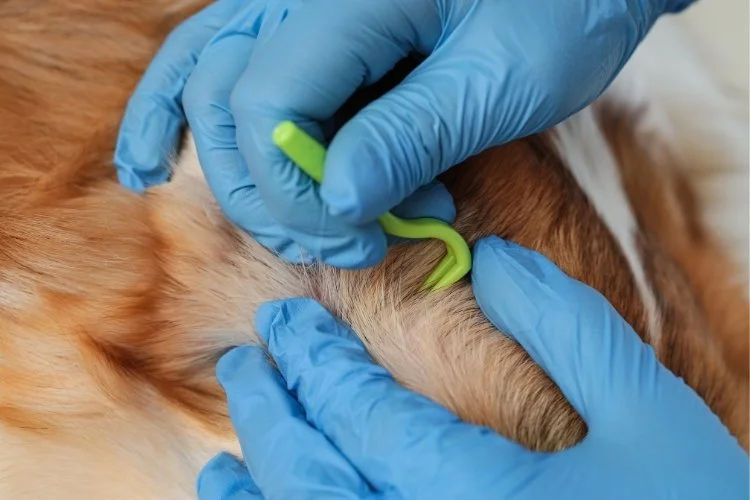
Ticks may look small, but they can create big health problems for dogs. Many pet parents notice ticks on their dog’s body and think it is only a skin or grooming issue. But ticks can transmit serious infections that affect the blood, immunity, platelets, organs and overall health of a dog.
One of the most common concerns pet parents hear from vets is tick fever in dogs.
Tick fever is not one single disease. It is a commonly used term for tick-borne infections in dogs, especially conditions like ehrlichiosis, babesiosis and anaplasmosis. These infections can cause fever, weakness, loss of appetite, low platelet count, pale gums, bleeding, joint pain, weight loss and, in severe cases, life-threatening complications.
The biggest challenge is that early symptoms can look mild. A dog may simply seem tired or stop eating properly. Many pet parents wait, thinking the dog will recover on its own. But tick fever can become serious if diagnosis and treatment are delayed.
This guide explains tick fever in dogs in a simple, practical way — including symptoms, stages, diagnosis, treatment, home care, prevention and when to rush to a vet.
For grooming, tick checks, pet care support, home boarding and dog training, connect with PawSpace Pet Care Services.
Table of Contents
ToggleWhat Is Tick Fever in Dogs?
Tick fever in dogs refers to infections spread through tick bites. When an infected tick bites a dog and feeds on blood, it can transmit disease-causing organisms into the dog’s bloodstream.
Common tick-borne diseases in dogs include:
- Ehrlichiosis
- Babesiosis
- Anaplasmosis
- Lyme disease in some regions
- Rocky Mountain spotted fever in some countries
- Hepatozoonosis in certain cases
In India, pet parents and vets often use the term “tick fever” for dogs showing fever, low platelets, weakness and tick exposure history.
Tick fever can affect:
- Blood cells
- Platelets
- Immune system
- Liver
- Spleen
- Kidneys
- Joints
- Eyes
- Nervous system in severe cases
Some dogs recover well with timely treatment. Others may become seriously ill if the infection is not detected early.
How Do Dogs Get Tick Fever?
Dogs get tick fever when an infected tick bites them.
Ticks can attach to a dog’s skin and feed on blood. During feeding, infected ticks may transmit bacteria or parasites into the dog’s body.
Ticks are commonly found in:
- Grass
- Gardens
- Parks
- Open plots
- Kennels
- Boarding spaces
- Dog parks
- Apartment common areas
- Stray dog zones
- Outdoor walking routes
- Damp corners
- Pet bedding
- Cracks in floors or walls
Ticks can also enter homes through another pet, outdoor contact, or infested surroundings.
Why Tick Fever Is Common in India
India’s warm and humid climate can support tick survival in many cities. Dogs that go for walks, visit parks, stay in boarding, interact with other dogs, or live around tick-prone environments can be at higher risk.
Tick problems may increase during:
- Summer
- Monsoon
- Humid weather
- Post-rainy season
- When dogs visit grassy areas
- When tick prevention is irregular
- When grooming is delayed
- When bedding is not cleaned properly
Cities like Bangalore, Mumbai, Chennai, Hyderabad, Delhi NCR, Pune, Kolkata and many other Indian cities commonly see tick-related issues in dogs.
Early Symptoms of Tick Fever in Dogs
Early signs can be mild and easy to miss.
Watch for:
- Fever
- Low energy
- Tiredness
- Sleeping more than usual
- Loss of appetite
- Reduced interest in walks
- Weakness
- Body pain
- Shivering
- Dull behaviour
- Swollen lymph nodes
- Mild limping
- Vomiting
- Loose stool
- Heavy breathing
- Sudden mood change
Some dogs may still look normal in the beginning, but blood tests may show low platelets or infection signs.
If your dog has ticks and becomes dull, do not wait too long. Consult a vet.
Serious Symptoms of Tick Fever in Dogs
Tick fever can become dangerous if untreated or diagnosed late.
Serious signs include:
- Very high fever
- Pale gums
- Yellowish gums or eyes
- Nose bleeding
- Blood in urine
- Blood in stool
- Red spots on skin
- Bruising
- Severe weakness
- Collapse
- Weight loss
- Swollen legs
- Difficulty walking
- Joint pain
- Eye redness
- Cloudy eyes
- Seizures in severe cases
- Breathing difficulty
- Refusing food completely
These signs need urgent veterinary attention.
Tick Fever Symptoms Checklist
Use this quick checklist.
Mild to Moderate Signs
- Fever
- Lethargy
- Loss of appetite
- Weakness
- Vomiting
- Loose motion
- Limping
- Swollen lymph nodes
- Dull coat
- Tick history
Severe Signs
- Pale gums
- Bleeding from nose
- Blood in urine/stool
- Bruising
- Severe weight loss
- Collapse
- Seizure
- Eye problems
- Breathing difficulty
- Extreme weakness
If severe signs are present, visit a vet immediately.
Stages of Tick Fever in Dogs
Some tick-borne infections, especially ehrlichiosis, are often discussed in three stages: acute, subclinical and chronic.
Understanding these stages helps pet parents take early action.
Stage 1: Acute Stage
The acute stage is the early stage after infection.
This is usually when the dog starts showing symptoms such as:
- Fever
- Tiredness
- Loss of appetite
- Swollen lymph nodes
- Mild bleeding signs
- Low platelets
- Lameness
- Body pain
This stage is often more treatable when diagnosed early.
Why Early Treatment Matters
If treatment starts early, the chance of recovery is usually better. Many dogs respond well when the infection is identified and managed properly by a vet.
The problem is that early symptoms may look like a simple fever or tiredness. That is why tick exposure history is very important.
Stage 2: Subclinical Stage
In the subclinical stage, the dog may not show obvious symptoms.
The dog may look normal, eat normally and behave normally. But the infection may still be present inside the body.
This stage can be confusing because pet parents may think the dog has recovered.
Possible hidden issues:
- Low platelet count
- Mild blood changes
- Infection still present
- Weak immunity
- Risk of future relapse
- Slow internal damage in some cases
A dog can remain in this stage for a long time. Blood tests are important to understand whether the infection is still active or affecting the body.
Stage 3: Chronic Stage
The chronic stage is the serious long-term stage.
This can happen when the infection is not cleared or treatment is delayed.
Signs may include:
- Severe weight loss
- Long-term weakness
- Pale gums
- Very low platelets
- Bleeding
- Nosebleeds
- Eye problems
- Swollen limbs
- Joint pain
- Repeated fever
- Kidney involvement
- Severe anemia
- Immune system weakness
- Secondary infections
Chronic tick fever can be difficult to treat and may need longer treatment, supportive care and repeated monitoring.
Types of Tick-Borne Infections in Dogs
Tick fever is a broad term. Different infections may need different treatment plans.
1. Ehrlichiosis
Ehrlichiosis is one of the most commonly discussed tick-borne diseases in dogs. It is often associated with fever, low platelets, weakness, bleeding tendency and chronic illness if untreated.
Common signs:
- Fever
- Loss of appetite
- Lethargy
- Swollen lymph nodes
- Low platelets
- Nosebleeds
- Weight loss
- Pale gums
- Eye issues
- Lameness
2. Babesiosis
Babesiosis affects red blood cells and can cause anemia.
Common signs:
- Fever
- Weakness
- Pale gums
- Yellow gums or eyes
- Dark urine
- Loss of appetite
- Enlarged spleen
- Collapse in severe cases
3. Anaplasmosis
Anaplasmosis can cause fever, joint pain and blood changes.
Common signs:
- Fever
- Lameness
- Joint pain
- Lethargy
- Loss of appetite
- Vomiting
- Low platelets
4. Mixed Tick Infection
Some dogs may have more than one tick-borne infection at the same time.
For example:
- Ehrlichia + Babesia
- Ehrlichia + Anaplasma
- Babesia + Anaplasma
Mixed infections may need more careful diagnosis and treatment.
How Is Tick Fever Diagnosed?
A vet will diagnose tick fever based on symptoms, tick history and tests.
Common diagnostic steps include:
1. Physical Examination
The vet may check:
- Temperature
- Gum colour
- Lymph nodes
- Tick presence
- Weakness
- Dehydration
- Bleeding signs
- Joint pain
- Eye signs
- Abdominal pain
2. Complete Blood Count
CBC is commonly done to check:
- Platelet count
- Red blood cells
- White blood cells
- Hemoglobin
- Signs of anemia
- Infection pattern
Low platelets are common in many tick-borne infections.
3. Blood Smear
A blood smear may help detect some blood parasites, especially in suspected babesiosis. However, it may not always detect infection.
4. Rapid Test / Tick Fever Panel
Some clinics use rapid tests or panels to detect tick-borne infections.
5. PCR Test
PCR can help detect genetic material of the infectious organism. It may be recommended in certain cases.
6. Biochemistry Test
This checks organ health, especially:
- Liver
- Kidney
- Protein levels
- Overall internal function
7. Urine Test
Urine tests may be needed if there is kidney concern, blood in urine, or severe infection.
Why Platelet Count Matters
Many dogs with tick fever show low platelet count.
Platelets help with blood clotting. When platelets become very low, dogs may show bleeding signs such as:
- Nosebleed
- Red spots on skin
- Blood in urine
- Blood in stool
- Gum bleeding
- Bruising
- Eye bleeding
A low platelet count does not automatically confirm tick fever, but it is an important clue when combined with fever, weakness and tick exposure.
Treatment for Tick Fever in Dogs
Treatment depends on the exact infection, severity, test results and vet diagnosis.
Do not self-medicate. Tick fever treatment should always be guided by a veterinarian.
Common Treatment Components
1. Antibiotics
For infections like ehrlichiosis and anaplasmosis, vets commonly prescribe antibiotics such as doxycycline. The duration depends on the case and vet protocol.
Never start or stop antibiotics without vet instruction.
2. Anti-Parasitic Treatment
For babesiosis, specific anti-babesia medicines may be required. This is different from regular antibiotics.
3. Fever and Pain Support
Vets may prescribe medicines to manage fever, pain or inflammation.
Do not give human fever medicines like paracetamol, ibuprofen or aspirin unless specifically prescribed by a vet. Some human medicines can be dangerous for dogs.
4. IV Fluids
Dogs that are dehydrated, weak or not eating may need IV fluids.
5. Liver/Kidney Support
If internal organs are affected, supportive medicines may be needed.
6. Blood Transfusion
In severe anemia or dangerously low platelet cases, some dogs may need blood transfusion or advanced hospital care.
7. Repeat Blood Tests
Follow-up blood tests help track recovery.
The vet may repeat:
- CBC
- Platelet count
- Liver/kidney values
- Infection tests, if needed
How Long Does Tick Fever Treatment Take?
Treatment duration depends on:
- Type of infection
- Stage of disease
- Severity
- Platelet count
- Organ involvement
- Dog’s immunity
- Response to medicines
- Whether infection is acute or chronic
Some dogs improve within a few days of starting treatment, but the full course must be completed as prescribed.
Stopping medicine early can lead to relapse or incomplete recovery.
Can Tick Fever Come Back?
Yes, tick fever can come back in some dogs.
Reasons may include:
- Incomplete treatment
- Chronic infection
- Reinfection from new ticks
- Poor tick prevention
- Weak immunity
- Mixed infection
- Not completing follow-up testing
Even after recovery, tick control must continue.
Is Tick Fever Contagious to Other Dogs?
Tick fever usually does not spread directly from one dog to another like a cough or skin infection.
But if one dog has ticks, other pets in the same home may also be at risk because ticks can move in the environment.
If one pet has tick fever, check all pets in the household for ticks and speak to your vet about prevention.
Can Humans Get Tick Fever From Dogs?
Dogs do not usually directly pass tick fever to humans.
However, ticks that bite dogs can also bite humans. So tick control is important for the whole family.
If your home has ticks:
- Treat all pets under vet guidance
- Clean bedding
- Vacuum corners
- Treat the environment safely
- Avoid crushing ticks with bare hands
- Check family members for tick bites
- Use professional pest control if infestation is severe
Home Care for Dogs Recovering From Tick Fever
Vet treatment is the main priority, but home care supports recovery.
1. Give Medicines on Time
Follow the exact prescription.
Do not skip doses.
2. Provide Rest
Your dog may need more sleep and quiet time.
Avoid:
- Long walks
- Running
- Rough play
- Dog park visits
- Training pressure
- Travel
3. Encourage Eating
Offer vet-approved food.
If appetite is low, ask your vet about:
- Soft food
- Wet food
- Small frequent meals
- Appetite support
- Digestive support
4. Keep Water Available
Hydration is important during fever and recovery.
5. Monitor Gums
Pale, white, yellow or blue gums are warning signs.
6. Watch for Bleeding
Check for:
- Nosebleed
- Gum bleeding
- Blood in urine
- Blood in stool
- Bruising
- Red skin spots
7. Follow Up With Vet
Do not skip follow-up blood tests.
A dog may look better before blood values fully recover.
What Not to Do During Tick Fever
Avoid these mistakes:
- Do not self-medicate
- Do not use human fever medicines
- Do not stop antibiotics early
- Do not ignore low appetite
- Do not delay blood tests
- Do not use random tick sprays without vet advice
- Do not bathe a very weak dog without vet approval
- Do not allow heavy exercise
- Do not assume recovery only because fever reduced
- Do not ignore repeat ticks after treatment
Tick Fever Prevention in Dogs
Prevention is much better than treatment.
Tick fever can be painful, expensive and dangerous. Regular tick control is essential.
1. Use Vet-Approved Tick Preventives
Your vet may recommend:
- Oral tick tablets
- Spot-on treatments
- Tick collars
- Tick sprays
- Medicated shampoos
- Tick prevention schedule
The correct product depends on:
- Dog’s age
- Weight
- Breed
- Health condition
- Pregnancy/lactation status
- Tick exposure level
- Other pets at home
Never use dog tick products on cats unless approved by a vet. Some dog tick products can be toxic to cats.
2. Check Your Dog After Walks
After walks or outdoor play, check:
- Ears
- Neck
- Armpits
- Between toes
- Groin area
- Tail base
- Under collar
- Around eyes
- Belly
- Inside thighs
Ticks like warm hidden areas.
3. Remove Ticks Properly
Use a tick remover or fine tweezers.
Basic steps:
- Hold the tick close to the skin.
- Pull steadily without twisting aggressively.
- Do not crush the tick with bare hands.
- Clean the area.
- Wash your hands.
- Watch for fever or swelling.
- Call a vet if unsure.
Avoid applying kerosene, oil, nail polish, heat or random chemicals on ticks.
4. Keep Bedding Clean
Wash dog bedding regularly.
Also clean:
- Blankets
- Crate mats
- Sofa covers
- Car seat covers
- Dog towels
- Grooming tools
Dry bedding properly in sunlight when possible.
5. Clean the Home Environment
Ticks can hide in cracks, corners and soft furnishings.
Focus on:
- Floor corners
- Skirting areas
- Carpets
- Pet bedding
- Sofa gaps
- Balcony corners
- Garden area
- Kennel space
For heavy infestation, consider professional pest control that is pet-safe.
6. Regular Grooming
Regular grooming helps detect ticks early.
Grooming can include:
- Brushing
- Coat inspection
- Tick/flea check
- Bathing
- De-shedding
- Nail trimming
- Ear cleaning
- Skin check
PawSpace offers doorstep pet grooming services that can help identify ticks, maintain coat hygiene and support overall pet cleanliness.
7. Be Careful With Boarding and Dog Parks
Ticks can spread in shared pet spaces.
Before using boarding, ask:
- Is tick prevention mandatory?
- Are pets checked before entry?
- Is bedding cleaned?
- Are outdoor areas maintained?
- Are dogs separated if ticks are found?
- Is the facility cleaned regularly?
PawSpace can help with home boarding and pet care services where pet comfort, cleanliness and safety can be planned properly.
Tick Prevention Schedule for Indian Pet Parents
Here is a simple monthly routine:
Weekly
- Check body for ticks
- Brush coat
- Wash pet bedding
- Inspect ears, paws and belly
Monthly
- Use vet-approved tick preventive as scheduled
- Deep clean pet area
- Grooming/bath if needed
- Check skin and coat condition
Every 3 Months
- Vet check if tick exposure is high
- Review preventive product
- Check for repeated tick infestation
- Evaluate home/environment treatment
After Boarding or Travel
- Full body tick check
- Bath/grooming if needed
- Watch for fever or dullness
- Continue preventive schedule
Tick Fever and Grooming: When Is It Safe?
If your dog has active fever, severe weakness, low platelets or bleeding signs, grooming should wait unless the vet says it is safe.
Once the vet clears your dog, grooming can help remove dirt, dead hair and hidden ticks.
For weak or recovering dogs:
- Avoid stressful grooming
- Keep sessions short
- Use gentle handling
- Avoid cold baths
- Dry the dog properly
- Inform groomer about medical history
Always tell the groomer if your dog recently had tick fever.
Tick Fever and Dog Training
A dog recovering from tick fever should not be pushed into active training immediately.
Wait until:
- Fever is gone
- Appetite is back
- Energy improves
- Vet clears activity
- Blood values improve
After recovery, training can slowly restart with:
- Calm commands
- Short sessions
- No running
- No jumping
- No long outdoor exposure
For behaviour, obedience and safe activity planning, PawSpace offers professional dog training services.
When to Rush to a Vet
Visit a vet urgently if your dog has:
- High fever
- Refusing food
- Severe weakness
- Pale gums
- Nose bleeding
- Blood in urine/stool
- Vomiting repeatedly
- Yellow eyes/gums
- Collapse
- Breathing difficulty
- Seizure
- Very low energy after tick exposure
- Heavy tick infestation
- Sudden lameness with fever
Tick fever can become serious quickly. Early action can save your dog’s life.
PawSpace Tick Fever Care Checklist
Use this checklist if you suspect tick fever:
- Check for ticks on body.
- Note symptoms and timeline.
- Do not self-medicate.
- Visit a vet quickly.
- Get blood tests done.
- Follow full treatment course.
- Give medicines on time.
- Monitor appetite and energy.
- Watch for bleeding signs.
- Do follow-up blood tests.
- Continue tick prevention.
- Clean bedding and home.
- Groom regularly.
- Check other pets in the house.
- Avoid boarding/dog parks until recovery.
Common Myths About Tick Fever in Dogs
Myth 1: Tick Fever Happens Only When There Are Many Ticks
False. Even one infected tick can transmit disease.
Myth 2: If the Tick Is Removed, the Dog Is Safe
Not always. If the tick already transmitted infection, symptoms may appear later.
Myth 3: Low Platelets Always Mean Tick Fever
Low platelets are common in tick fever, but other diseases can also cause low platelets. A vet diagnosis is needed.
Myth 4: Dogs Recover Once Fever Stops
Not always. Blood values may still be abnormal. Complete treatment and follow-up tests are important.
Myth 5: Home Remedies Can Cure Tick Fever
False. Tick fever needs proper veterinary diagnosis and treatment.
Myth 6: Indoor Dogs Cannot Get Ticks
False. Ticks can enter homes through shoes, other pets, visitors, gardens, balconies or shared spaces.
Final Thoughts
Tick fever in dogs is common, serious and preventable. The key is early detection and consistent tick control.
If your dog has fever, weakness, loss of appetite, low energy, pale gums or bleeding signs after tick exposure, visit a vet quickly. Do not wait for symptoms to become severe.
With timely diagnosis, proper treatment and regular prevention, many dogs recover well. But prevention must continue even after recovery because dogs can get reinfected through new tick bites.
For grooming, tick checks, pet care, home boarding, sitting and dog training support, contact PawSpace:
Email: connect@pawspace.in
Phone: 9996999505
Website: PawSpace Pet Care Services
FAQs
1. What is tick fever in dogs?
Tick fever in dogs is a common term for tick-borne infections such as ehrlichiosis, babesiosis and anaplasmosis. These infections are transmitted through tick bites and can affect blood, platelets, immunity and organs.
2. What are the early symptoms of tick fever in dogs?
Early symptoms include fever, tiredness, loss of appetite, weakness, dull behaviour, swollen lymph nodes, vomiting, loose stool, body pain and limping.
3. Is tick fever dangerous for dogs?
Yes. Tick fever can become serious if untreated. It may cause low platelets, anemia, bleeding, organ involvement, severe weakness and life-threatening complications.
4. How is tick fever diagnosed?
Vets may use physical examination, CBC, platelet count, blood smear, rapid tests, PCR, biochemistry and urine tests depending on the case.
5. Can tick fever be cured?
Many dogs recover well with timely veterinary treatment. Chronic or severe cases may need longer treatment and supportive care.
6. What is the treatment for tick fever in dogs?
Treatment depends on the infection type. Vets may prescribe antibiotics, anti-parasitic medicines, fever support, IV fluids, organ support or blood transfusion in severe cases.
7. Can I treat tick fever at home?
No. Tick fever should not be treated with home remedies or human medicines. A vet diagnosis and prescription are necessary.
8. Can tick fever come back?
Yes. Tick fever can relapse or dogs can get reinfected if exposed to ticks again. Tick prevention must continue after recovery.
9. How can I prevent tick fever in my dog?
Use vet-approved tick preventives, check your dog after walks, groom regularly, clean bedding, treat the home environment and avoid tick-infested areas.
10. Can PawSpace help with tick prevention?
Yes. PawSpace can support with doorstep grooming, tick checks, pet care, home boarding and dog training services. Contact connect@pawspace.in or call 9996999505.