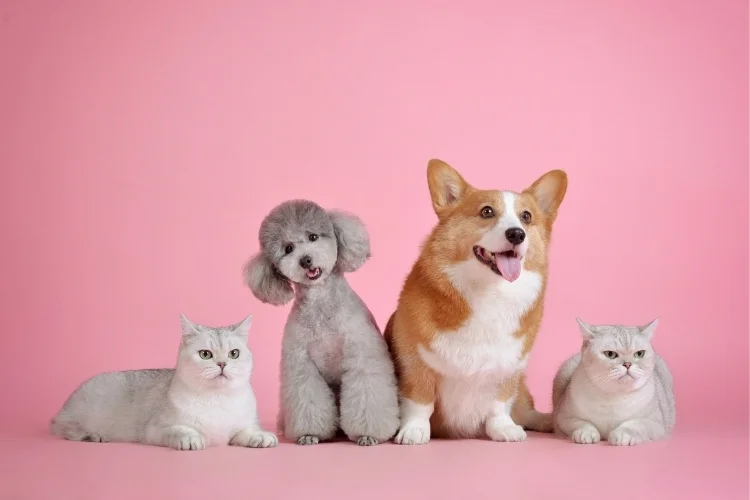
Bringing a cat into a home that already has a dog can feel exciting and slightly scary at the same time. You may wonder, “Will my dog chase the cat?”, “Will my cat feel stressed?”, or “Which cat breeds are more likely to adjust with dogs?”
The good news is that many cats can live happily with dogs when the introduction is done correctly. Some cat breeds are naturally calmer, more social, and more tolerant of dogs, making them better suited for multi-pet homes.
In this guide, we’ll explore 10 cat breeds that get along with dogs, especially for Indian pet parents living in apartments, villas, independent houses, and busy city homes.
Before we begin, one important point: breed helps, but personality matters more. A gentle dog and a confident, well-socialised cat can become great companions, even if the cat is not from a specific breed. The right introduction, supervision, and training make a huge difference.
If you already have a dog at home and want help with behaviour, obedience, or socialisation before bringing a cat, you can connect with PawSpace Dog Training Services for professional doorstep support.
Table of Contents
ToggleWhy Some Cat Breeds Get Along Better With Dogs
Some cats are naturally more relaxed around movement, noise, and new companions. These cats usually do better with dogs because they are:
- Confident but not aggressive
- Social with humans and other pets
- Less nervous around active animals
- Playful but not overly reactive
- Comfortable sharing space
- Adaptable to new routines
Dogs also play a big role. A well-trained dog that understands basic commands like “stay,” “leave it,” “sit,” and “come” is much easier to introduce to a cat.
For Indian homes, this matters even more because many families live in apartments where space is limited. A calm introduction and clear boundaries can prevent stress for both pets.
1. Ragdoll
Ragdolls are one of the most popular cat breeds for families because of their calm and affectionate nature. They are known for being gentle, relaxed, and people-friendly.
Why Ragdolls Get Along With Dogs
Ragdolls are usually not highly aggressive or territorial. They enjoy companionship and can adjust well to friendly dogs, especially if the dog is calm and respectful.
They are not the type of cat that constantly wants to dominate the house. Instead, they often prefer peaceful company, soft attention, and a predictable routine.
Best Dog Match
Ragdolls usually do well with calm, gentle dogs such as Golden Retrievers, Labradors, Shih Tzus, Beagles, Indies with calm temperament, and well-trained mixed breeds.
Things to Keep in Mind
Ragdolls are indoor cats and should be protected from rough play. If your dog is very energetic, start with short, supervised introductions.
2. Maine Coon
The Maine Coon is a large, confident, and friendly cat breed. Many people call them “gentle giants” because they are big in size but usually soft in temperament.
Why Maine Coons Get Along With Dogs
Maine Coons are confident cats. This confidence helps them stay calm around dogs. They are playful, social, and often enjoy being part of family activities.
Because of their size and personality, they may not get scared as easily as smaller or more nervous cats.
Best Dog Match
They can do well with medium to large dogs that are trained and friendly. They may also adjust with playful dogs if the dog understands boundaries.
Things to Keep in Mind
Maine Coons need grooming because of their thick coat. In Indian weather, especially in warm cities, regular brushing and coat maintenance are important.
For grooming support, PawSpace offers doorstep pet grooming services to help keep pets clean, comfortable, and healthy at home.
3. Siberian Cat
Siberian cats are strong, affectionate, and adaptable. They are known for being loyal to their family and can do well in active homes.
Why Siberian Cats Get Along With Dogs
Siberians are playful and confident. They do not usually get intimidated easily and may even enjoy playing with a friendly dog.
They are also intelligent and can learn household routines quickly.
Best Dog Match
Siberian cats may do well with playful but trained dogs. Dogs that are too hyper should be introduced slowly.
Things to Keep in Mind
They have a thick coat, so grooming is important. In Indian cities with heat and humidity, pet parents should keep them cool and well-groomed.
4. British Shorthair
British Shorthairs are calm, balanced, and independent. They are not usually clingy, but they enjoy being around family.
Why British Shorthairs Get Along With Dogs
British Shorthairs are not overly reactive. They prefer peace and routine. If a dog respects their space, they can live comfortably together.
They may not immediately become best friends with a dog, but they can coexist very well.
Best Dog Match
They are best matched with calm, low-energy dogs or dogs that are already trained to ignore cats.
Things to Keep in Mind
British Shorthairs like personal space. Give them a separate resting area, cat tree, or quiet corner where the dog cannot disturb them.
5. Burmese Cat
Burmese cats are social, affectionate, and people-loving. They enjoy attention and are usually more interactive than many other cat breeds.
Why Burmese Cats Get Along With Dogs
Because Burmese cats are social, they may adapt well to another pet in the house. They like companionship and can bond with dogs if introduced properly.
They are also playful, which makes them suitable for homes with friendly dogs.
Best Dog Match
They may do well with gentle dogs that enjoy companionship but are not rough.
Things to Keep in Mind
Burmese cats do not enjoy being ignored for long hours. If your home is very busy, make sure they get enough playtime and attention.
6. Abyssinian
Abyssinians are active, curious, and intelligent cats. They love exploring and are usually confident in their environment.
Why Abyssinians Get Along With Dogs
Abyssinians are not shy cats. Their playful and adventurous nature can help them adjust to a dog, especially if the dog is also playful but well-mannered.
They may enjoy interactive play and movement, which can make them a good match for active homes.
Best Dog Match
They may do well with playful dogs, but the dog must be trained not to chase or jump on the cat.
Things to Keep in Mind
Abyssinians need stimulation. Give them climbing spaces, toys, and safe areas where they can move freely.
7. Birman
Birmans are gentle, affectionate, and family-friendly cats. They are usually calm and sweet-natured, making them a good choice for multi-pet homes.
Why Birmans Get Along With Dogs
Birmans are social without being too demanding. They often enjoy being around people and may adjust well to a calm dog.
They are less likely to be extremely territorial compared to some other cats.
Best Dog Match
They do well with gentle, friendly dogs and families that can supervise early interactions.
Things to Keep in Mind
Birmans should have a peaceful space of their own. Even friendly cats need breaks from dogs.
8. American Shorthair
American Shorthairs are easy-going, adaptable, and sturdy cats. They are known for being independent but friendly.
Why American Shorthairs Get Along With Dogs
Their balanced personality makes them suitable for homes with dogs. They are not overly delicate or nervous, and they can adjust to different family routines.
They may not demand constant attention, which helps in homes where dogs are already active.
Best Dog Match
They can adjust with many dog breeds if the dog is trained and the introduction is gradual.
Things to Keep in Mind
They may take time to warm up. Do not force interaction. Let them observe the dog from a safe distance first.
9. Persian Cat
Persian cats are calm, quiet, and affectionate. They are usually low-energy and enjoy peaceful surroundings.
Why Persian Cats Can Get Along With Dogs
Persians may do well with calm dogs because they are not highly aggressive or hyperactive. They prefer a relaxed home and can coexist with a dog that does not disturb them.
Best Dog Match
They are best suited for gentle dogs, senior dogs, or low-energy dogs.
Things to Keep in Mind
Persians are sensitive to heat and need regular grooming. They may not enjoy loud, hyperactive dogs. If your dog is very energetic, train the dog first before bringing a Persian cat home.
10. Indian Domestic Cat
Indian domestic cats, also called Indie cats, can be wonderful companions. Many Indian pet parents adopt local cats, and with the right socialisation, they can live happily with dogs.
Why Indian Domestic Cats Can Get Along With Dogs
Indie cats are adaptable and resilient. If raised around dogs or introduced properly, many of them become confident and friendly companions.
They are also well-suited to Indian weather and living conditions.
Best Dog Match
They can adjust with friendly Indies, Labradors, Golden Retrievers, Beagles, Shih Tzus, and other dogs that are trained and calm.
Things to Keep in Mind
Temperament varies a lot. Some Indie cats are bold and social, while others are shy. Always focus on the individual cat’s personality.
If you are planning to adopt a cat while already having a dog, consider working with a pet behaviour expert or trainer to make the introduction smoother.
How to Introduce a Cat to a Dog Safely
Choosing one of the cat breeds that get along with dogs is only the first step. The introduction process decides whether the relationship becomes peaceful or stressful.
1. Start With Separate Spaces
Do not allow the dog and cat to meet freely on day one.
Keep the cat in a separate room with:
- Food
- Water
- Litter box
- Bed
- Scratching post
- Hiding space
Let the cat feel safe first.
2. Let Them Smell Each Other Before Meeting
Before face-to-face introduction, exchange scents.
You can do this by:
- Swapping blankets
- Letting the dog smell the cat’s room from outside
- Letting the cat smell the dog’s bed
- Keeping the dog calm during the process
This helps both pets understand that another animal is present.
3. Keep the Dog on Leash During First Meetings
The first visual meeting should be controlled.
Keep your dog on a leash and allow the cat to observe from a safe distance. Do not allow chasing, barking, jumping, or lunging.
Reward the dog for calm behaviour.
4. Give the Cat an Escape Route
The cat should always have a way to move away.
Use:
- Cat tree
- High shelf
- Separate room
- Baby gate
- Covered bed
- Safe corner
Never trap a cat in front of a dog.
5. Keep Early Meetings Short
The first few meetings should be short and positive.
Start with 5–10 minutes. End the session before either pet gets stressed.
Slow progress is better than a bad first experience.
6. Train the Dog Before Expecting Friendship
Your dog should understand basic commands before meeting the cat.
Important commands:
- Sit
- Stay
- Leave it
- Come
- No
- Down
A trained dog is much safer around a cat.
If your dog gets too excited, chases cats, jumps, barks continuously, or does not listen to commands, PawSpace can help through professional dog training at home.
Signs the Introduction Is Going Well
The introduction is going well if:
- The dog stays calm around the cat
- The cat observes without panic
- No chasing happens
- The dog responds to commands
- The cat eats normally
- Both pets can rest in the same home
- They slowly reduce distance on their own
Friendship may take days, weeks, or even months. Do not rush.
Warning Signs to Watch
Be careful if you notice:
- Dog chasing the cat repeatedly
- Dog staring intensely and stiffly
- Dog barking aggressively
- Cat hiding all day
- Cat refusing food
- Cat hissing constantly
- Dog not responding to commands
- Any biting, swatting, or injury risk
In such cases, stop free interaction and go back to controlled introductions.
Best Dog Breeds That Usually Adjust With Cats
Just like cat breeds matter, dog personality also matters. Some dog breeds are often more cat-friendly when trained well.
These may include:
- Golden Retriever
- Labrador Retriever
- Beagle
- Shih Tzu
- Pug
- Cavalier King Charles Spaniel
- Cocker Spaniel
- Calm Indian Indie dogs
- Senior dogs with low prey drive
However, every dog is different. A trained Indie dog can be better with cats than an untrained purebred dog.
Tips for Indian Pet Parents Living With Cats and Dogs
For Apartment Homes
- Keep feeding areas separate
- Give the cat vertical space
- Walk the dog regularly to reduce excess energy
- Use baby gates if needed
- Keep the litter box away from the dog
- Do not leave them alone together in the beginning
For Villas or Independent Houses
- Do not allow outdoor unsupervised chasing
- Keep the cat indoors during early adjustment
- Create separate resting zones
- Avoid feeding both pets in the same place
- Train the dog for recall and “leave it”
For Busy Families
- Keep a routine
- Use professional grooming/training support
- Avoid sudden forced interaction
- Schedule supervised playtime
- Track stress signs
If you travel often or need safe care support, PawSpace also helps pet parents with home boarding and pet care services so pets remain comfortable in a trusted environment.
Which Cat Breed Is Best for a Home With Dogs?
If you want a calm cat, consider:
- Ragdoll
- British Shorthair
- Birman
- Persian
If you want a playful and confident cat, consider:
- Maine Coon
- Siberian
- Abyssinian
- Burmese
If you want an adaptable Indian option, consider:
- Indian Domestic Cat
For most Indian homes, an Indie cat with the right temperament and a well-trained dog can be an excellent combination.
Final Thoughts
Finding cat breeds that get along with dogs is a great starting point, but the real success depends on training, patience, and proper introduction.
A cat and dog should never be forced to become friends. Give them time, space, and positive experiences. With the right approach, many cats and dogs not only tolerate each other but become loving companions.
For PawSpace pet parents, the safest approach is simple:
Choose the right cat personality.
Train your dog before introduction.
Give both pets safe spaces.
Introduce slowly.
Get professional support when needed.
PawSpace helps Indian pet parents with doorstep pet care, dog training, grooming and trusted home-based pet services.
For support, bookings or guidance, contact PawSpace:
Email: connect@pawspace.in
Phone: 9996999505
Website: PawSpace Pet Care Services
FAQs
1. What are the best cat breeds that get along with dogs?
Some cat breeds that often get along with dogs include Ragdoll, Maine Coon, Siberian, British Shorthair, Burmese, Abyssinian, Birman, American Shorthair, Persian and Indian Domestic Cats.
2. Can cats and dogs live together in Indian apartments?
Yes, cats and dogs can live together in Indian apartments if they are introduced slowly, supervised properly, and given separate spaces for food, rest and litter.
3. Is breed more important than personality?
No. Breed can help, but personality and socialisation matter more. A calm, confident cat and a trained dog usually adjust better than pets that are forced together without preparation.
4. How long does it take for a cat and dog to adjust?
Some pets adjust in a few days, while others may take weeks or months. The process should be slow and positive.
5. Should I train my dog before bringing home a cat?
Yes. Your dog should understand basic commands like sit, stay, come and leave it. This makes the introduction safer for the cat.
6. Can an Indian street cat live with a dog?
Yes. Many Indian domestic cats can live peacefully with dogs if they are confident, socialised, and introduced correctly.
7. What should I do if my dog chases my cat?
Stop free interaction immediately. Keep the dog on leash, restart slow introductions, and work on obedience training. Professional dog training can help reduce chasing behaviour.
8. Can PawSpace help with dog training before introducing a cat?
Yes. PawSpace can help with doorstep dog training, obedience, behaviour correction and socialisation support. Contact connect@pawspace.in or call 9996999505.